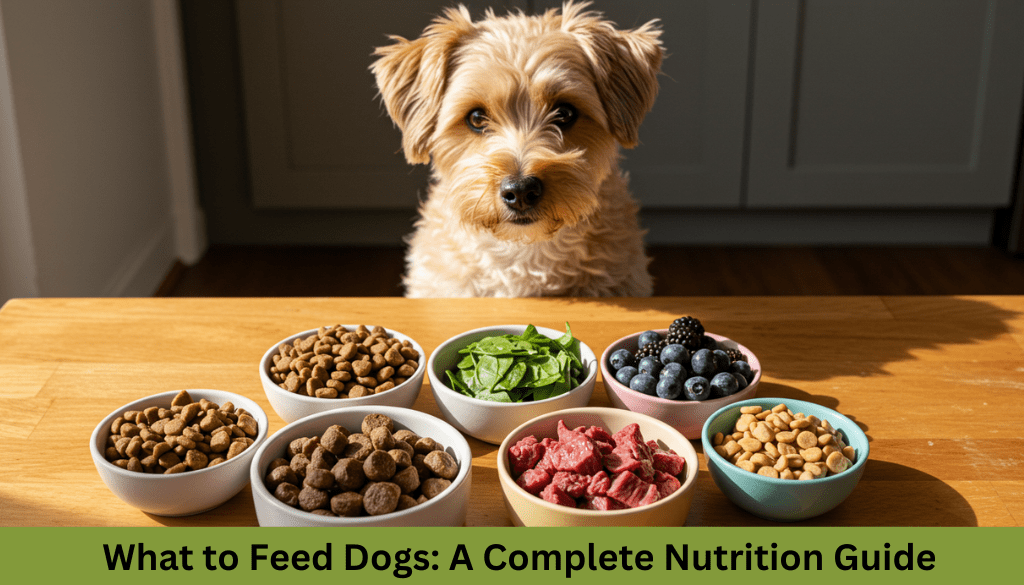
A well-balanced diet is the key to keeping dogs healthy, active, and happy. Many pet owners wonder what to feed dogs to ensure proper nutrition. The right food supports their immune system, strengthens muscles, and improves digestion. With so many food options available, it can be difficult to decide between commercial pet food, home-cooked meals, or a raw diet. No doubt, each choice has its benefits, but the key is providing a diet that meets a dog’s specific nutritional needs.
In Islamabad & Rawalpindi, where temperatures fluctuate between hot summers and cool winters, dogs need food that supports their energy levels and overall well-being. This guide will help pet owners understand the best food choices for their dogs and which ingredients to avoid.
What Are A Dog’s Nutritional Needs?
It must be kept in mind that every dog is an individual, so food that’s good for your friend’s dog could be totally unsuitable for your dog. Therefore, regarding the routine diet of your dog, always consult with a veterinarian.
Dogs need a balanced mix of proteins, fats, carbohydrates, vitamins, and minerals to stay healthy. Each nutrient plays an important role in their overall well-being.
According to Dr. Leigh _ an experienced Vet, it’s necessary to make sure that the food of your dog is balanced and comprehensive for its particular phase of life, and in case it suffers from any medical problems.
1. Protein
Protein is essential for muscle growth and tissue repair. Good protein sources include:
- Chicken – Lean and easy to digest.
- Fish – Rich in omega-3 fatty acids, promoting healthy skin and coat.
- Beef & Lamb – High in iron and essential amino acids.
2. Carbohydrates
Carbs provide energy, but they should come from natural sources. Healthy carbohydrates include:
- Sweet potatoes – A great source of fiber and vitamins.
- Brown rice – Easily digestible and provides steady energy.
- Oatmeal – Helps with digestion and is suitable for sensitive stomachs.
3. Fats
Fats support brain function and keep a dog’s coat shiny. Healthy fat sources include:
- Fish oil – Contains omega-3 for joint and heart health.
- Chicken fat – Provides essential fatty acids.
- Coconut oil – Helps improve digestion and skin health.
4. Vitamins & Minerals
Dogs need vitamins and minerals to strengthen their immune system and maintain healthy bones. Some essential sources include:
- Carrots & Green Beans – Rich in vitamins A and C.
- Pumpkin – Supports digestion and prevents constipation.
- Eggs – Provide protein and essential minerals like iron and selenium.
5. Water
Hydration is just as important as food. Fresh, clean water should always be available to keep dogs hydrated and aid digestion. Providing a balanced diet based on these nutritional needs ensures dogs stay active, strong, and free from health issues.
Best Food Options for Dogs
Choosing the right food keeps dogs healthy and energetic. The best diet includes high-quality ingredients that meet their nutritional needs.
Commercial Dog Food
Store-bought dog food is convenient and formulated to provide balanced nutrition. There are two main types:
- Dry Kibble – Crunchy, long-lasting, and good for dental health. Look for high-protein options with minimal fillers.
- Wet Food – Soft, flavorful, and hydrating. It is beneficial for dogs with dental issues or those who need extra moisture in their diet.
Always check the ingredient list. Avoid foods with artificial preservatives, excess grains, or meat by-products.
Home-Cooked Meals
Some pet owners prefer preparing fresh meals for their dogs. This allows control over ingredients and eliminates artificial additives.
- Boiled chicken with rice – Easy to digest and suitable for dogs with stomach sensitivity.
- Steamed vegetables with lean meat – Provides fiber and necessary vitamins.
- Eggs and plain yogurt – A great source of protein and probiotics.
Before switching to a home-cooked diet, consult a veterinarian at Doctor Pet Hospital in Islamabad & Rawalpindi to ensure proper nutrient balance and quality pet food.
Raw Diet
Some owners feed their dogs a raw diet, consisting of raw meat, bones, and vegetables. While this diet mimics a dog’s natural eating habits, it carries risks, including bacterial contamination and nutritional imbalance.
If considering a raw diet, ensure it includes:
- Lean raw meat – Chicken, beef, or turkey.
- Organ meat – Liver or kidneys for essential nutrients.
- Bone meal or calcium supplements – For strong teeth and bones.
Raw diets should be carefully planned to avoid deficiencies.
Vet-Recommended Diets
Some dogs have special dietary needs due to allergies, obesity, or medical conditions. In such cases, veterinarians recommend prescription diets tailored to the dog’s health requirements. A balanced diet, whether commercial, home-cooked, or raw, should provide the right mix of protein, fats, and vitamins.

Foods That Are Harmful to Dogs
Some foods are dangerous for dogs and can cause serious health issues. Pet owners should avoid feeding the following items:
- Chocolate: Chocolate contains theobromine, which is toxic to dogs. Even small amounts can cause vomiting, diarrhea, seizures, or heart problems.
- Onions & Garlic: Both onions and garlic damage red blood cells, leading to anemia. These ingredients are harmful in any form, including raw, cooked, or powdered.
- Grapes & Raisins: Even a small amount of grapes or raisins can cause kidney failure in dogs. Symptoms include vomiting, lethargy, and decreased appetite.
- Caffeine & Alcohol: Caffeine and alcohol affect a dog’s nervous system and can lead to severe poisoning. So, keep coffee, tea, and alcoholic drinks out of reach.
- Cooked Bones: Bones from cooked meat splinter easily, posing a choking hazard and risk of internal injuries. Always provide raw bones or veterinarian-approved chew toys instead.
- Artificial Sweeteners (Xylitol): Xylitol, found in sugar-free gum and some peanut butter brands, causes a dangerous drop in blood sugar and can lead to liver failure.
- Excess Fat & Salty Foods: Fatty foods like fried meat and excessive salt can lead to pancreatitis and high blood pressure. Stick to lean, properly cooked meats.
Feeding Guidelines Based on Age & Size
Different dogs require different feeding schedules and portion sizes based on their age, size, and activity level.
1. Puppies
- Puppies need small, frequent meals throughout the day.
- Feed puppy-specific food rich in protein and calcium.
- Avoid feeding adult dog food, as it lacks the nutrients required for growth.
2. Adult Dogs
- Adult dogs require two balanced meals per day.
- Portion sizes depend on the dog’s breed and activity level.
- A mix of protein, healthy fats, and fiber keeps adult dogs energetic and healthy.
3. Senior Dogs
- Senior dogs need easily digestible food with fewer calories to prevent weight gain.
- Joint-friendly foods containing glucosamine and omega-3 fatty acids help with mobility.
- Soft food may be necessary for dogs with dental issues.
4. Small vs. Large Breeds
- Small breeds require higher-calorie food in smaller portions to maintain energy levels.
- Large breeds need controlled portions to prevent obesity and joint problems.
Feeding dogs based on their age and size ensures proper nutrition and prevents health issues.
Conclusion
Choosing what to feed dogs plays a crucial role in their health and happiness. A balanced diet should include high-quality proteins, healthy fats, and essential vitamins while avoiding harmful foods like chocolate, onions, and processed snacks.
Proper feeding schedules based on age and size keep dogs active and healthy. Pet owners in Islamabad & Rawalpindi should consult a veterinarian to create a nutrition plan suited to their dog’s needs.
Get Expert Pet Nutrition Advice at Doctor Pet Hospital!
At Doctor Pet Hospital in Islamabad & Rawalpindi, we provide personalized pet nutrition plans, vaccinations, and complete health care for dogs. Contact us today to book a nutrition consultation and give your pet the diet they deserve!