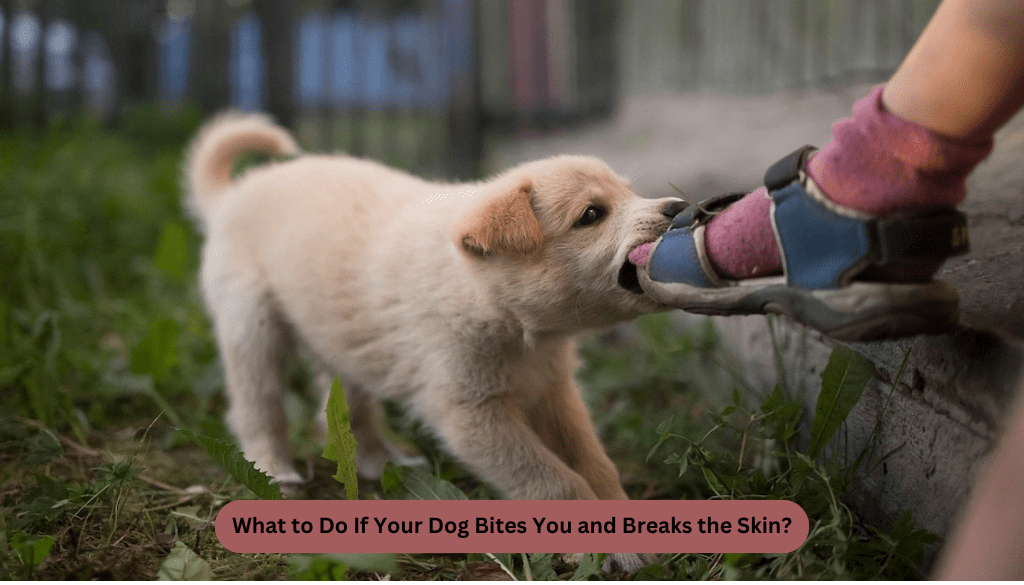
Nearly 40% of US families own at the minimum one dog. This is because dogs are an excellent source of relaxation and happiness for their keepers. Still, accidents can happen, even with the most well-behaved dogs. Around 4.5 million individuals are cut by dogs yearly, especially children. A bite that breaks the skin may seem minor at first, but it requires immediate attention to prevent complications. Knowing what to do if your dog bites you and breaks the skin ensures the wound heals properly and protects against infections or other risks. Dog bites can introduce bacteria into the wound, leading to serious issues if left untreated. This guide will explain why bites that break the skin are serious, what steps you should take, and how to ensure proper care for both you and your pet.
Why Dog Bites That Break the Skin Are Serious?
Dog bites that break the skin pose unique risks due to the nature of the injury and the bacteria present in a dog’s mouth. Here are the key reasons why these bites require attention:
Risk of Infection
A dog’s mouth contains various bacteria, including Pasteurella, Staphylococcus, and Streptococcus. These bacteria can cause infections like cellulitis or abscesses when they enter the wound. These infections can spread to deeper tissues or the bloodstream without proper cleaning and treatment.
Tetanus Risk
Tetanus, caused by the bacteria Clostridium tetani, can occur if the bite punctures the skin. This condition affects the nervous system and can be life-threatening if untreated. So, tetanus vaccines are essential to prevent this risk.
Rabies Concerns
If the dog’s rabies vaccination is not up to date or unknown, there is a risk of rabies transmission. Rabies is rare but fatal if not treated promptly. Therefore, verifying the dog’s vaccination status is critical in these cases.
Scarring and Tissue Damage
Deeper bites may cause damage to muscles, nerves, or tendons. These injuries can result in long-term scarring or reduced mobility in the affected area.
An awareness of the potential risks of dog bites highlights the importance of immediate care. Acting quickly can prevent complications and ensure a safe recovery.
What to Do If Your Dog Bites You and Breaks the Skin?
Acting quickly after a dog bite is the key to minimizing risks and ensuring proper healing. Follow these dog bite care steps:
Clean the Wound Immediately
Wash the bite under running water to flush out bacteria and debris. Use mild soap to clean the area thoroughly but avoid scrubbing, as this can damage tissue further. Rinse the wound with clean water after washing.
Stop the Bleeding
If the wound is bleeding, apply gentle pressure with a clean cloth or sterile gauze. Keep pressing until the bleeding stops. Avoid using adhesive bandages on deep dog bite wounds, as they can trap bacteria.
Apply an Antiseptic
After cleaning the wound, apply an antiseptic solution to reduce the risk of infection. Use over-the-counter disinfectants like iodine or hydrogen peroxide fully, as they may irritate the tissue.
Cover the Wound
Use a sterile bandage to cover the wound. Secure it with medical tape, ensuring the bandage is snug but not too tight. Also, change the bandage daily or if it becomes wet or dirty.
Monitor for Infection
Keep an eye on the wound for redness, swelling, or discharge. These are signs of infection that require medical attention.

When to Seek Medical Attention
You should seek professional help after a dog bite for situations that require immediate medical care to prevent serious issues.
- Deep or Large Wounds: If the bite is deep, gaping, or affects sensitive areas like the face, hands, or joints, seek medical attention. These wounds are at higher risk of infection or complications.
- Signs of Infection: Redness, swelling, warmth, or discharge from the wound indicate an infection. Also, fever or chills may accompany these symptoms. A doctor can provide antibiotics to treat the infection effectively.
- Uncertainty About Rabies: If the dog’s rabies vaccination is unknown or out of date, contact a healthcare provider immediately. Rabies treatment, including post-exposure prophylaxis, may be necessary.
- Tetanus Concerns: If you haven’t had a tetanus shot in the past five years, consult your doctor. Tetanus vaccines are critical for preventing this serious bacterial infection.
- Persistent Pain or Limited Movement: If you experience ongoing pain, numbness, or difficulty moving the affected area, a medical professional should evaluate the wound. These symptoms could indicate nerve or tissue damage.
Seeking timely medical attention ensures the wound heals properly and prevents serious complications. Never delay if you’re unsure about the severity of the bite.
Preventing Future Bites
Preventing dog bites starts with understanding your dog’s behavior and taking proactive steps. These measures can reduce the likelihood of biting incidents:
- Train Your Dog: Teach your dog basic commands like “sit,” “stay,” and “leave it.” Consistent training reinforces positive behavior and helps prevent aggression or overexcited reactions.
- Socialize Your Dog: Introduce your dog to different environments, people, and other pets early in life. Socialization helps them feel comfortable in new situations and reduces anxiety or fear-based biting.
- Recognize Stress Signals: Learn to identify signs of stress or discomfort in your dog, such as growling, stiff posture, or avoidance. Give them space to relax when they show these signals.
- Avoid Provoking Situations: Don’t disturb your dog while they are eating, sleeping, or caring for their puppies. Avoid sudden movements or loud noises that could startle them.
- Supervise Interactions: Monitor your dog when they are around unfamiliar people, children, or other pets. Supervision ensures safety and allows you to intervene if necessary.
Conclusion
Knowing what to do if your dog bites you and breaks the skin is essential for your health and safety. Immediate care, such as cleaning the wound and monitoring for infection, can prevent complications. Seeking medical attention when needed ensures the wound heals properly and addresses any risks like tetanus or rabies.
Preventing future bites through training, socialization, and recognizing stress signals helps maintain a positive relationship with your dog. If you experience a dog bite or need professional advice, Doctor Pet Hospital is here to help.
Expert Care When You Need It Most!
Doctor Pet Hospital Rawalpindi provides comprehensive care for dog bite injuries. From wound treatment to vaccination checks, our experienced team ensures your health and peace of mind. Contact us today for expert guidance and support. Let us help you and your pet stay safe and healthy!