Caring for a dog means being attuned to their health and comfort, but sometimes subtle signs can point to a hidden issue, like a urinary tract infection (UTI). These infections are more than just an inconvenience; they can cause significant discomfort and even lead to serious complications if not addressed promptly. But what causes UTI in dogs, and why are they such a common concern? Knowing the root causes is the first step in protecting your dog from unnecessary pain and ensuring their urinary health stays on track. From bacterial infections to underlying health conditions, a range of factors can put your pet at risk. Today’s guide will delve into the primary causes of UTIs in dogs, providing valuable insights to help you spot potential issues and take action before they escalate
All About Urinary Tract Infections in Dogs
Urinary tract infections occur when harmful microorganisms, often bacteria, enter the urinary system and cause irritation or inflammation. The urinary system includes the bladder, urethra, and kidneys. All of these work together to remove waste and maintain balance in your dog’s body. When this system is disrupted by infection, it can lead to noticeable discomfort and health issues.
Dogs of all ages and breeds can develop UTIs, though certain factors can increase their likelihood. Female dogs, for example, are more vulnerable due to their shorter urethras. This provides easier access for bacteria to reach the bladder. Older dogs, those with weakened immune systems, and pets with underlying conditions such as diabetes are also at a higher risk.
While many UTIs are caused by bacterial infections, there are other potential culprits, including bladder stones, fungal infections, and structural abnormalities in the urinary tract. A thorough knowledge of these factors is key to addressing and preventing urinary health problems in your dog.
Recognizing what causes UTI in dogs empowers pet owners to take preventive measures and seek veterinary care early. This, as a result, ensures their beloved companions remain healthy and happy.
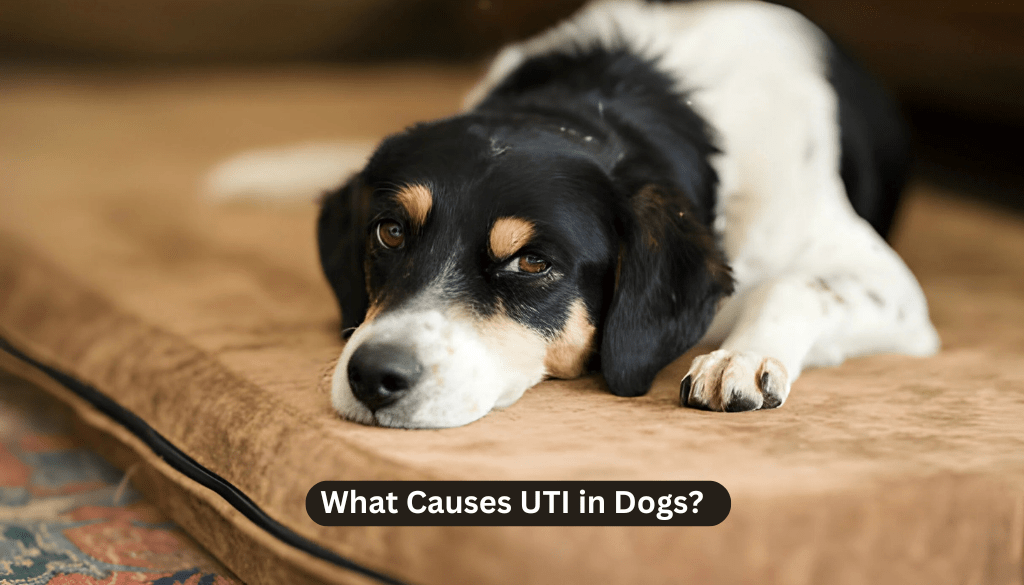
What Causes UTI in Dogs?
What causes UTI in dogs? There are several causes of UTI in dogs. Mastering the factors that lead to urinary tract infections in dogs can help you protect your pet’s health. Here are the most common causes:
Bacterial Infections
Bacterial infections are the leading cause of UTIs in dogs. Bacteria, such as E. coli, can enter the urinary tract through the urethra, where they multiply and cause inflammation. These infections often occur when hygiene is compromised, or the dog’s immune defenses are unable to keep the bacteria in check.
Bladder Stones or Crystals
The presence of bladder stones or urinary crystals can irritate the lining of the bladder. They create an environment where bacteria can thrive. These mineral deposits can also obstruct the flow of urine, making it difficult for the dog to completely empty their bladder and flush out bacteria.
Weakened Immune System
A dog with a weakened immune system is more sensitive to infections, including UTIs. Factors such as stress, poor nutrition, age, or underlying illnesses can compromise the immune system. This makes it harder for the body to fight off bacteria.
Underlying Health Conditions
Conditions such as diabetes, kidney disease, or hormonal imbalances can contribute to the development of UTIs. For example, the increased sugar levels in the urine of diabetic dogs create a favorable environment for bacterial growth.
Poor Hygiene
Poor grooming or unclean living environments can increase the risk of UTIs. Dirt and bacteria from the surrounding environment may come into contact with the dog’s genital area, causing infection. This is especially relevant for female dogs, as their anatomy makes them more prone to bacterial exposure.
Medications or Medical Procedures
Certain medications, like corticosteroids, or invasive medical procedures, such as catheterization, can introduce bacteria into the urinary tract or affect the dog’s natural ability to resist infections.

Additional Risk Factors for UTIs in Dogs
In addition to the primary causes, several risk factors can make certain dogs more prone to UTIs:
Gender and Anatomy
Female dogs are at a higher risk of developing UTIs compared to males. This is due to their shorter urethras, which make it easier for bacteria to reach the bladder.
Age-Related Vulnerabilities
As dogs age, their risk of developing UTIs increases. Older dogs may have weaker immune systems or underlying health conditions that predispose them to infections. Additionally, reduced bladder control in senior dogs can make them more susceptible.
Diet and Hydration
Poor hydration can lead to concentrated urine, which may irritate the bladder lining and make it easier for bacteria to grow. Diets lacking in balance or those high in certain minerals can also contribute to the formation of bladder stones, increasing the likelihood of UTIs.
Stress and Environmental Changes
Stressful situations, such as moving to a new home or the introduction of a new pet, can weaken a dog’s immune system. Also, they make them more vulnerable to infections.
Breed Predisposition
Certain breeds, like Dalmatians and Bulldogs, may be genetically predisposed to conditions like bladder stones or structural abnormalities in the urinary tract. This increases their risk of UTIs.
Early Signs of UTI
Spotting the signs of a urinary tract infection early is key to ensuring your dog gets timely care. UTI symptoms to watch for include:
- Frequent urination
- Straining or discomfort while urinating
- Accidents indoors
- Changes in urine appearance or smell
- Excessive licking of the genital area
- Noticeable lethargy
If you notice any of these signs, consult your veterinarian promptly to confirm the diagnosis and start appropriate treatment. Early intervention can prevent discomfort and more serious complications.
Conclusion
Protecting your furry companion from urinary tract infections starts with awareness and proactive care. By addressing common causes and minimizing risk factors, you can help your dog avoid unnecessary discomfort and maintain their overall health. Simple actions like keeping your dog hydrated, practicing good hygiene, and watching for early signs of infection can make a big difference in their well-being.
Take the First Step Toward Your Dog’s Health!
At Doctor Pet Hospital Islamabad, we are here to help you navigate your pet’s health journey with expert guidance and compassionate care. If you suspect your dog may have a UTI or want to learn more about preventive measures, reach out to us. Together, we can ensure your dog stays happy, healthy, and ready for life’s adventures. Schedule your visit today and give your pet the care they deserve!