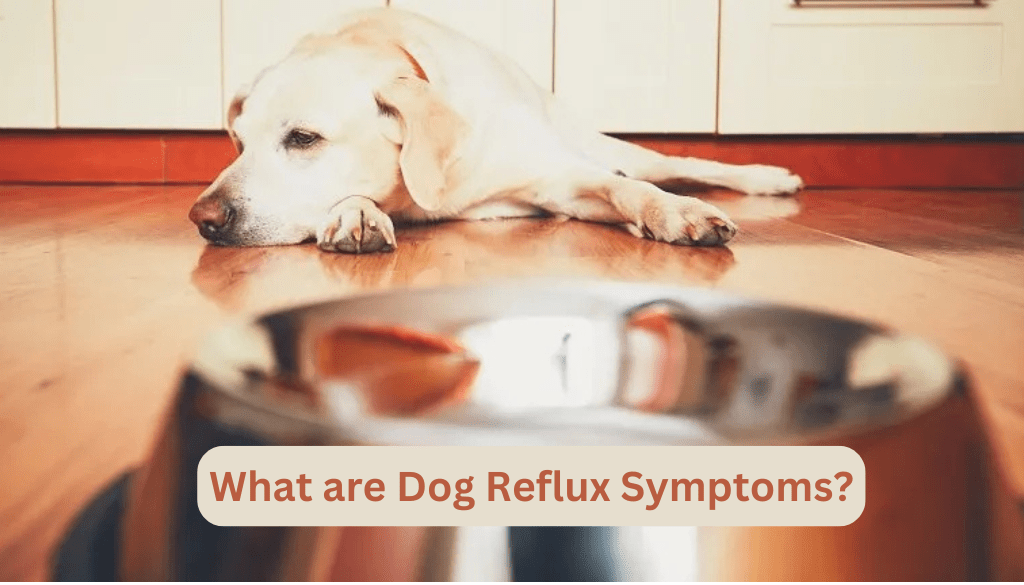
Just like people, dogs can experience acid reflux, a condition that causes uncomfortable dog reflux symptoms and can interfere with their daily happiness. Acid reflux in dogs occurs when stomach acid flows back into the esophagus, leading to irritation and potential pain. While occasional reflux might seem harmless, consistent or severe symptoms can affect a dog’s well-being, making it essential to recognize the signs early.
At Doctor Pet Hospital, we know that staying informed about digestive health helps dog owners make the best choices for their pets. In today’s blog, we’ll explore the common symptoms of dog reflux, what causes it, and how to take action if you notice these signs in your pet. Knowing these symptoms is the first step to keeping your dog comfortable and ensuring a high quality of life.
What is Acid Reflux in Dogs?
Acid reflux in dogs happens when stomach acid flows back up into the esophagus, the tube connecting the throat to the stomach. This backward flow can cause inflammation and irritation. If left untreated, it can even damage the lining of the esophagus. Just as acid reflux causes discomfort in humans, it can make dogs feel uneasy or restless, especially after eating.
While acid reflux may sometimes be mild and short-lived, recurring or severe episodes indicate a need for closer attention. Chronic acid reflux, where symptoms persist over time, can cause indigestion in dogs. Also, it can disrupt overall comfort, impacting their mood and health. Early identification of dog reflux symptoms makes it easier to help your dog feel better. Also, it helps prevent potential complications down the road. Being aware of these symptoms and causes will empower you to take quick action if you notice any discomfort in your furry friend.
Common Symptoms of Dog Reflux
Recognizing the symptoms of acid reflux in dogs helps you act quickly to relieve their discomfort. Here are some of the key signs to watch for:
Regurgitation or Vomiting
Dogs with reflux often regurgitate undigested food shortly after eating. You might notice them bringing up small amounts of food or bile with a yellowish tint. This indicates stomach acid.
Gulping, Licking, or Swallowing
Acid reflux irritates the esophagus and throat. This makes dogs gulp frequently, lick their lips excessively, or swallow more often than usual. These behaviors can indicate discomfort from stomach acid reaching the throat.
Discomfort After Eating
Dogs with acid reflux often show signs of discomfort following meals. They may whine, pace, or seem restless, unable to settle down. This restlessness usually points to digestive discomfort and can become more noticeable after larger meals.
Bad Breath (Halitosis)
Persistent bad breath is another common symptom of acid reflux. When stomach acid moves up to the mouth, it can produce a sour or unpleasant smell, even if your dog’s teeth and gums are healthy.
Loss of Appetite or Weight Loss
Reflux can make eating uncomfortable, so dogs may eat less or lose interest in food. If this happens over time, it may lead to noticeable weight loss. This is especially true if they’re avoiding full meals to escape the discomfort.
Coughing or Gagging
Stomach acid irritates the esophagus, leading to coughing or gagging as your dog tries to relieve the irritation. Sometimes, reflux can also cause slight wheezing or throat-clearing sounds as the acid reaches the upper airways. These symptoms provide clear signals that something isn’t right with your dog’s digestive system.
Causes of Acid Reflux in Dogs

Awareness of the causes of acid reflux in dogs can help you make adjustments to their diet and routine to prevent or minimize symptoms. Here are some common triggers:
- Dietary Factors: Feeding dogs certain foods or allowing them to eat too quickly can increase the risk of reflux. Spicy, rich, or fatty foods, as well as eating large meals in one sitting, can lead to reflux. Rapid eating also puts extra pressure on the stomach, encouraging stomach acid to flow back up.
- Medical Conditions: Certain medical conditions make dogs more prone to acid reflux. Issues such as hiatal hernia (a condition where part of the stomach pushes through the diaphragm) or obesity can add pressure to the stomach. As a result, it increases the likelihood of reflux. Food allergies or intolerances may also play a role in triggering acid reflux episodes.
- Medication Side Effects: Some medications, especially those that relax the esophageal sphincter, can contribute to acid reflux. These medications may weaken the muscular ring that normally keeps stomach contents from moving back into the esophagus, making it easier for acid to escape.
- Breed Predisposition: Some breeds are naturally more prone to acid reflux due to their physical makeup. Smaller breeds and those with shorter snouts, like Bulldogs, Pugs, and Shih Tzus, may experience reflux more frequently. The structure of their digestive tract may make it easier for acid to travel back into the esophagus.
These causes help you identify potential changes that could prevent reflux, such as adjusting feeding habits or working with your vet to manage any underlying health conditions. A few proactive steps can go a long way in reducing your dog’s acid reflux and keeping them comfortable.
How to Help Prevent Acid Reflux in Dogs
Making simple adjustments to your dog’s diet and routine often prevents acid reflux. Here are some effective ways to reduce the risk of reflux and support digestive health:
- Provide a Balanced Diet: Feed your dog high-quality, easily digestible food that suits their specific needs based on age, breed, and size. Avoid overly rich, fatty, or spicy foods, as these can trigger acid reflux. If you’re introducing a new food, do it gradually to give their digestive system time to adjust.
- Offer Smaller, More Frequent Meals: Feeding your dog smaller meals multiple times a day can help prevent reflux by avoiding overloading the stomach. Smaller portions are easier for dogs to digest, reducing the chance of stomach acid moving up into the esophagus.
- Limit Activity After Meals: To reduce the likelihood of reflux, allow at least an hour of rest after meals before engaging in any vigorous activities. Letting your dog relax after eating gives their digestive system time to start processing the food without extra physical stress.
- Elevate Food and Water Bowls: Raising your dog’s food and water bowls slightly helps align their esophagus with their stomach. This makes it harder for stomach acid to travel upward. It is especially helpful for smaller breeds or dogs with shorter snouts.
When to See a Veterinarian
While occasional reflux is manageable at home, some symptoms require professional attention. When to see a veterinarian is a valid question:
If your dog experiences persistent vomiting or regurgitation, prolonged periods of discomfort after meals, or significant weight loss, it’s best to consult a veterinarian. Symptoms like severe bloating, coughing, or difficulty swallowing also indicate that a vet visit is necessary. Acid reflux, if left untreated, can lead to inflammation or esophageal damage, so addressing these signs early helps prevent further complications.
At Doctor Pet Hospital, we provide comprehensive assessments to get to the root of digestive issues. Our team is equipped to identify the cause and offer tailored advice to help manage and treat acid reflux in dogs.
Conclusion
Acid reflux in dogs can be uncomfortable, but by recognizing the symptoms and making small adjustments, you can help your pet feel better and stay healthy. Identifying signs early and following simple preventive steps can reduce the frequency of reflux episodes and improve your dog’s quality of life.
Ensure Your Dog’s Comfort—Book a Digestive Health Check Today!
At Doctor Pet Hospital Islamabad, we are dedicated to supporting you and your furry friend. Our team is here to offer expert guidance and personalized care for managing reflux and other digestive concerns. If you notice any symptoms or need help keeping your dog’s digestive health in check, don’t hesitate to reach out. Together, we’ll ensure your pet lives a happy, comfortable life by your side.