
Controlling the Overpopulation of Stray Animals
Pakistan, like many developing countries, faces a serious issue with stray animals. Cities like Karachi, Lahore, and Islamabad are home to countless stray dogs and cats, many of which face poor living conditions, health problems, and even violence from humans.
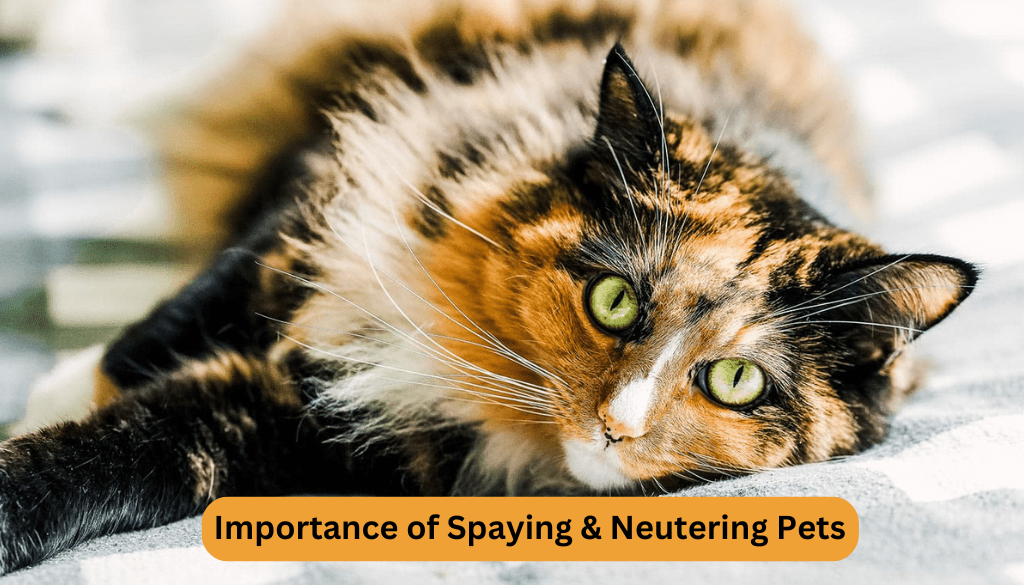
Spaying (removing a female animal’s reproductive organs) and neutering (removing a male animal’s testicles) can help control the birth rate, significantly reducing the number of unwanted animals that end up on the streets.
Without intervention, the stray population continues to grow, leading to higher rates of animal suffering and public health concerns. Spaying and neutering pets is a responsible choice that not only ensures that pet populations are manageable but also prevents animals from being abandoned or left to fend for themselves.
Health Benefits for Pets
Spaying and neutering offer numerous health benefits for pets. For female animals, spaying can prevent life-threatening conditions such as uterine infections and breast cancer, which are common in unspayed pets. In male pets, neutering reduces the risk of testicular cancer and prostate issues, contributing to a longer and healthier life.
Moreover, sterilized pets tend to exhibit more balanced behavior, which reduces their stress and anxiety levels. Females no longer experience heat cycles, which can be stressful for both the animal and the owner, and males are less likely to engage in territorial marking, aggression, or roaming in search of a mate.
Reducing Behavioral Issues
One of the major concerns for pet owners in Pakistan is dealing with aggressive or disruptive behavior in their animals. Spaying and neutering can significantly reduce these behavioral problems. Neutered males are generally less likely to exhibit dominance-related behaviors, such as aggression towards other animals or people. Likewise, spayed females won’t experience the restlessness and irritability associated with heat cycles.
By reducing these behaviors, pets become more manageable and easier to care for, which in turn strengthens the bond between the pet and the owner. It also makes pets less likely to escape or roam, reducing the chances of them being injured or lost.

Promoting a Humane Approach to Animal Welfare
The concept of animal welfare is gradually gaining traction in Pakistan. Spaying and neutering are key components of a humane approach to managing pet populations. There are many active animal welfare organizations in the country, such as the Pakistan Animal Welfare Society (PAWS) and Ayesha Chundrigar Foundation (ACF). They promote the importance of sterilization as a way to reduce suffering among stray animals.
By encouraging pet owners to spay and neuter their pets, these organizations aim to reduce the number of animals who end up in shelters or on the streets. It also helps prevent unnecessary euthanasia of animals due to overpopulation in shelters. Consequently, it promotes a more ethical and compassionate society for animals.
Debunking Myths Around Spaying and Neutering
Many pet owners in Pakistan hesitate to spay or neuter their pets due to misconceptions. One common myth is that spaying or neutering will negatively affect an animal’s personality or make them lazy. In reality, these procedures often result in better-behaved pets who are calmer and more content.
Another myth is that females should have at least one litter before being spayed. However, there is no medical evidence to support this belief. In fact, spaying a pet before her first heat cycle offers the greatest health benefits.
Affordability and Accessibility in Pakistan
One of the major barriers to spaying and neutering in Pakistan is the perceived cost. However, many veterinarians and animal welfare organizations offer affordable spaying and neutering services. Additionally, some NGOs run campaigns and initiatives to provide free or subsidized sterilization procedures, especially for stray animals.
Pet owners can also look into local veterinary clinics for cost-effective options. In the long run, the costs of spaying or neutering are far outweighed by the potential expenses of caring for unexpected litters or dealing with medical issues caused by not sterilizing pets.
If you’re in Islamabad, Rawalpindi, or the surrounding areas and need veterinary care for your pet, come visit Doctor Pet Hospital. We offer comprehensive veterinary services and are known for our expertise and compassionate care.
Conclusion
Spaying and neutering pets in Pakistan is essential for controlling the stray population and for improving the overall health and behavior of pets. It is a humane, responsible action that benefits both pets and the community. As awareness grows about the importance of these procedures, pet owners in Pakistan have the opportunity to make a significant impact on animal welfare. This will help reduce the number of stray animals and ensuring a healthier future for their pets.
Make a Responsible Choice for Your Pet’s Health – Schedule a Spaying or Neutering Appointment Today!
Ensure your pet lives a healthier and happier life while helping control the stray animal population in Pakistan. At Doctor Pet Hospital, we offer expert spaying and neutering services to promote better behavior, prevent health issues, and reduce overpopulation. Book an appointment today and take a step towards responsible pet ownership!