
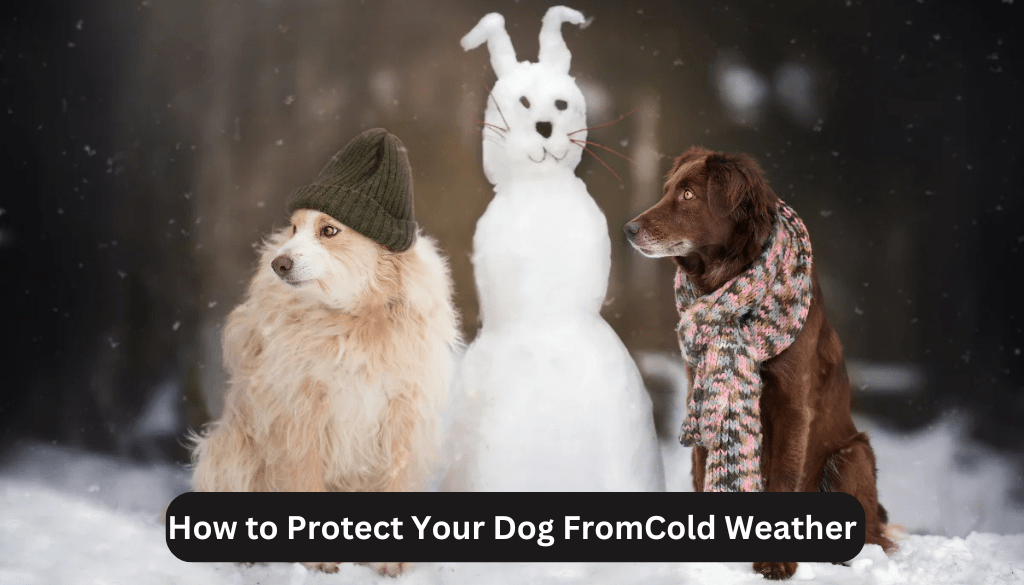
As the temperature drops and the chill settles in, our furry friends feel it too. For many dogs, winter can be uncomfortable, even risky, without the right care and protection. While some breeds are built for the cold, others struggle more than we might realize. Just like us, our dogs need extra attention to stay comfortable and healthy when winter arrives. Without proper precautions, cold weather can lead to issues ranging from discomfort and dry skin to more serious conditions like hypothermia and frostbite. Fortunately, keeping your dog warm and safe through winter doesn’t have to be complicated. Simple steps can help you protect your dog from cold weather. Let’s explore these in detail!
Follow these simple pet care essentials to make all the difference in helping your pet feel secure and comfortable.
1. Know Your Dog’s Cold Tolerance
Not all dogs handle the cold in the same way. Some breeds, like Siberian Huskies and Alaskan Malamutes, have thick, insulated coats that make them more resilient to lower temperatures. In contrast, smaller or short-haired breeds, such as Chihuahuas or Greyhounds, can struggle in the cold.
Age, health, and size are important in how well a dog can cope with chilly weather. Puppies, senior dogs, and those with health issues like arthritis are often more sensitive to temperature drops. Additionally, they may require extra care to stay comfortable and safe.
Knowing your dog’s unique tolerance to cold is essential for deciding how long it should be outside and what measures you need to take to keep it warm. Watch how your dog reacts to cooler temperatures.
If they seem to shiver, lift their paws frequently, or appear anxious outside, these may be signs that they’re feeling the effects of the cold. Paying attention to their individual needs will help you make better decisions to protect them as temperatures drop.
3. Essential Winter Gear for Dogs
When it comes to protecting your dog from the winter chill, a few key pieces of gear can make all the difference. Outfitting your dog with appropriate winter attire can help them stay comfortable and protected against harsh weather conditions.
Dog Jackets and Sweaters
A good jacket or sweater is invaluable for dogs that need extra warmth, especially those with shorter coats or smaller body sizes. When choosing winter wear, focus on fit and material. The jacket should cover the chest and belly but still allow easy movement. Look for fabrics that insulate but also breathe, such as fleece or wool blends.
Waterproof outer layers can be beneficial if you live in a region with snow or rain. This is because they keep your dog dry and warm during winter walks.
It’s also necessary to ensure that the jacket or sweater fits snugly without being too tight. Dogs that don’t typically wear clothing may need time to adjust. So try introducing winter wear indoors before venturing outside. A well-fitted jacket can provide excellent warmth while ensuring your dog is comfortable and able to enjoy their time outdoors.
Paw Protection
Winter can be particularly harsh on your dog’s paws, which are in direct contact with cold, icy surfaces. Ice, snow, and salt used to melt ice on sidewalks can irritate or even injure your dog’s paw pads. Winter boots for dogs are a great solution. They offer both warmth and protection from harsh elements. Boots with adjustable straps tend to stay on better and offer a secure fit.
If your dog resists wearing boots, consider using paw balm as an alternative. A quality paw balm can provide a protective layer that helps prevent cracking and keeps paw pads moisturized. Moreover, it can help reduce the risk of pain and injury.
Applying balm before and after walks can help maintain paw health, especially if your dog is regularly exposed to salted sidewalks or icy paths. Taking these steps to protect your dog’s paws will make winter outings much more enjoyable and safe.
4. Create a Warm Indoor Environment
A cozy indoor environment is crucial for helping your dog stay comfortable during winter. When it’s cold outside, dogs are likely to spend more time indoors, so creating a space that keeps them warm and content is key to their well-being.

Comfortable and Warm Bedding
Provide your dog with a warm, comfortable bed that’s elevated slightly off the floor to avoid cold drafts. Beds with extra padding or an orthopedic design are ideal for older dogs or those with joint pain, as they offer both warmth and support.
Placing the bed in a draft-free corner of the room or near a gentle heat source (but at a safe distance) can help create a cozy resting spot. Blankets can also be a great addition.
Indoor Exercise Options
When outdoor activities become limited due to extreme cold, keeping your dog active and engaged indoors becomes even more important. Indoor games like fetch, tug-of-war, or hide-and-seek can provide physical exercise and mental stimulation. Puzzle toys and treat-dispensing toys are excellent ways to keep your dog’s mind occupied.
5. Limit Time Outdoors and Monitor Behavior
When temperatures plummet, limiting your dog’s outdoor exposure and closely monitoring their behavior is really important for their safety. While fresh air and exercise are important, winter can pose additional risks, particularly for dogs with lower cold tolerance.
Reducing Outdoor Time
In extreme cold, shorter outdoor outings are often best, especially for small, short-coated, or elderly dogs who are more vulnerable to low temperatures. Consider breaking up exercise into shorter, more frequent sessions throughout the day rather than one extended walk.
This approach allows your dog to get the physical activity they need without prolonged exposure to the cold.
Recognizing Signs of Cold Distress
Although unusual, frostbite and hypothermia can prove deadly, if left untreated. Shivering, whining, lifting or licking their paws frequently, or showing signs of anxiety can all be indicators that they’re feeling uncomfortably cold. If your dog begins to show any of these symptoms, it’s best to bring them indoors promptly.
6. Maintain Hydration and a Balanced Diet
In winter, it’s easy to overlook hydration, but it’s just as crucial as in warmer months. Cold weather can reduce your dog’s thirst, yet indoor heating and dry air can lead to dehydration. Ensure fresh water is always available, and encourage drinking by placing bowls in easily accessible spots.
Additionally, a balanced diet supports your dog’s energy levels and helps them maintain a healthy weight, which is essential for staying warm. Consult with your veterinarian if you’re considering adjusting portions or adding any supplements to protect your dog from cold weather.
Conclusion
Taking steps to protect your dog from cold weather ensures they stay healthy, safe, and comfortable. By understanding their cold tolerance, providing winter gear, creating a warm indoor environment, and limiting outdoor exposure, you’re helping them enjoy the season without unnecessary risks.
Protect Your Pup This Winter!
Winter can be tough on our furry friends, but a little extra care goes a long way. For personalized winter health advice, schedule a check-up at Doctor Pet Hospital Islamabad—our team is here to keep your dog cozy, happy, and ready for all the winter adventures.