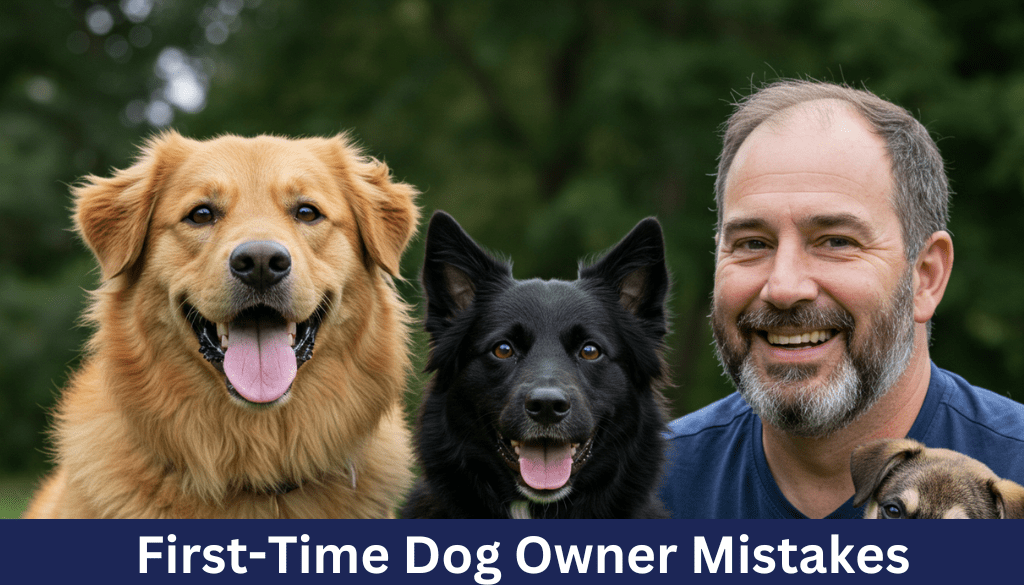
You become infatuated with a cute furry friend and take it home. Bringing a dog into your home is exciting but comes with responsibilities. First-time dog owner mistakes can affect their pet’s health, behavior, and overall well-being. While these errors are common, avoiding them can help create a happy and healthy relationship between you and your dog. Dogs need proper care, training, and regular veterinary checkups to thrive.
Many new pet owners in Islamabad and Rawalpindi overlook important factors. By understanding these first-time dog owner mistakes, you can provide the best possible care for your furry friend. Therefore, in case you’re a first-time pet parent or only want to refresh your memory, we’ve got you. Below are the most common first-time dog owner mistakes and practical solutions to help new dog owners raise well-adjusted and healthy pets.
Choosing the Wrong Breed
Among first-time dog owner mistakes, the very first is selecting the wrong breed. Many first-time dog owners pick a breed based on appearance rather than lifestyle compatibility. This mistake can lead to challenges in training, exercise needs, and overall care.
Lifestyle and Energy Levels
Different breeds have different energy levels. A high-energy breed like a Husky or Border Collie needs plenty of exercise, while a Shih Tzu or Pug is better suited for apartment living. If you have a busy schedule or limited space, choosing a low-maintenance breed is important.
Climate Adaptability
Islamabad and Rawalpindi experience both hot summers and cold winters. Breeds with thick fur, such as Siberian Huskies or Saint Bernards, may struggle with the heat. Besides, short-haired breeds like Labradors or Beagles adapt better to the local climate.
Grooming and Shedding
Long-haired breeds like Golden Retrievers require frequent grooming to prevent matting and skin infections. So, if you prefer a low-maintenance dog, consider short-haired breeds like Dachshunds or Boxers, which require minimal grooming.
Size and Space Requirements
Large breeds need more space to move around, while smaller breeds are more adaptable to indoor living. If you live in an apartment or a house with a small yard, choosing a breed like a French Bulldog or Cocker Spaniel may be a better fit.
How to Avoid This Mistake?
Before getting a dog, research breeds based on your living space, lifestyle, climate, and time availability. Consulting with a veterinarian at Doctor Pet Hospital can also help you make an informed decision.
Skipping Early Training and Socialization
Training and socialization are the key to a well-behaved dog. Many first-time dog owners delay training or fail to introduce their pets to new environments, leading to behavioral problems.
Importance of Early Training
Dogs need structure from the beginning. Teaching basic commands like sit, stay, and come helps establish good behavior. Delaying training makes it harder to correct unwanted habits like jumping, excessive barking, or chewing on furniture.
Common Training Mistakes
- Inconsistency: Using different commands or allowing bad behavior sometimes and discouraging it at other times confuses the dog.
- Using Punishment Instead of Positive Reinforcement: Harsh discipline can create fear and anxiety. Rewarding good behavior works better.
- Skipping Crate Training: A crate provides a safe space and helps with house training. Many new owners avoid crate training, leading to accidents in the house.
Socialization and Its Benefits
Dogs that lack socialization often develop fear, anxiety, or aggression. Exposing them to different people, pets, and environments helps them feel comfortable in new situations. Also, socialized dogs adapt better to vet visits, grooming, and outdoor activities.
Start training early with simple commands and positive reinforcement. Take your dog on walks, introduce them to other pets, and expose them to new experiences gradually.
Ignoring Regular Veterinary Checkups
Regular veterinary visits keep dogs healthy and prevent serious medical issues. First-time owners often assume vet visits are only necessary when their pet is sick. This mistake can lead to missed vaccinations, untreated infections, or undiagnosed health problems.
Importance of Wellness Exams
Routine checkups help detect early signs of illness. Vets check for infections, dental problems, and overall health issues that may not be visible at home. Preventative care saves money and reduces the risk of emergency treatments.
Vaccinations and Parasite Control
Dogs need vaccinations to protect against rabies, parvovirus, and distemper. Deworming and flea prevention are also essential, especially in Islamabad & Rawalpindi, where dogs are exposed to outdoor environments.
Common Veterinary Care Mistakes
- Skipping Puppy Vaccinations: Puppies need a full set of vaccinations to build immunity. Missing doses puts them at risk.
- Ignoring Dental Health: Dental infections can lead to serious health problems. Regular cleanings and checkups prevent these issues.
- Delaying Treatment: Ignoring symptoms like loss of appetite, lethargy, or skin issues can make conditions worse.
How to Avoid This Mistake
Schedule annual checkups, stay up to date with vaccinations, and monitor your dog’s health regularly. If you need professional care, Doctor Pet Hospital provides complete veterinary services, including wellness exams, vaccinations, and emergency care.
Poor Nutrition and Overfeeding

Feeding a dog the right diet is critical for their health and energy levels. Many first-time owners make mistakes by choosing the wrong food, overfeeding, or giving too many treats.
Feeding Low-Quality Food
Cheap dog food often lacks required nutrients. Dogs need a balanced diet with high-quality protein, healthy fats, and essential vitamins. Processed foods with artificial ingredients can lead to obesity, allergies, or digestive problems.
Overfeeding and Obesity Risks
Giving extra portions or too many treats leads to weight gain. Obesity increases the risk of joint problems, heart disease, and diabetes. Every dog has different calorie needs based on age, size, and activity level.
Feeding Human Food
Many human foods are harmful to dogs. Chocolate, onions, garlic, grapes, and certain spices can cause serious health issues. Even safe foods, like bones or dairy, may lead to choking or stomach problems.
Therefore, choose high-quality dog food based on your pet’s breed and age. Follow portion guidelines to prevent overfeeding. Limit treats and avoid giving table scraps. For expert nutritional advice, consult Doctor Pet Hospital in Islamabad & Rawalpindi.
Neglecting Grooming and Hygiene
Regular grooming keeps a dog clean and prevents skin infections. Many first-time owners overlook grooming needs, leading to matted fur, overgrown nails, and ear infections.
Long-haired breeds need frequent brushing to prevent tangles and mats. Mats trap dirt and moisture, causing skin infections and irritation. Overgrown nails make walking uncomfortable and can cause joint problems. If a nail breaks, it can lead to pain and infection. Dogs need regular nail trimming to stay comfortable.
Moreover, frequent baths strip natural oils, causing dry skin. Infrequent bathing leads to bad odors and dirt buildup. The right schedule depends on the dog’s breed and activity level.
How to Avoid This Mistake
Brush your dog’s coat regularly, trim nails monthly, and clean ears as needed. Use pet-safe shampoo for bathing. Introduce dental chews or brushing for oral hygiene. If professional grooming is needed, visit Doctor Pet Hospital for grooming services in Islamabad & Rawalpindi.
Lack of Exercise and Mental Stimulation
Dogs need regular exercise and mental engagement to stay healthy and happy. Many first-time owners underestimate their dog’s activity needs, leading to boredom, obesity, and destructive behavior.
Inconsistent or Insufficient Walks
Skipping daily walks results in weight gain, anxiety, and pent-up energy. High-energy breeds, like Labradors or German Shepherds, need more exercise than smaller, less active dogs. Take your dog on daily walks based on their breed and energy level.
No Mental Stimulation
Dogs need more than just physical exercise. Without mental challenges, they can develop destructive habits like excessive barking, chewing, or digging. Interactive toys, training sessions, and puzzle feeders keep their minds active.
Additionally, play strengthens the bond between dogs and their owners. Skipping playtime reduces social interaction and may cause frustration in energetic breeds. Regular playtime improves behavior and keeps your dog happy.
Failing to Set Boundaries and House Rules
Dogs need structure to understand what behavior is acceptable. Many first-time owners allow bad habits to develop by failing to set rules early.
Giving in to begging, jumping, or chewing teaches dogs that these behaviors are acceptable. Inconsistent rules lead to confusion and stubbornness.
Dogs feel more secure when they have designated areas, such as a sleeping spot, feeding area, and play zone. Without boundaries, they may feel restless or take over furniture.
So, establish clear house rules from day one. Reward good behavior and correct unwanted habits immediately. Use positive reinforcement rather than punishment for better results.
Not Preparing for Emergencies
Many first-time dog owners don’t plan for medical emergencies. Delayed action during accidents or sudden illnesses can put a dog’s health at risk.
Owners often don’t save their vet’s contact details in advance. In an emergency, wasting time searching for a clinic can delay urgent care.
Ignoring symptoms like vomiting, lethargy, or difficulty breathing can make conditions worse. Some issues require immediate veterinary attention.
Besides, a well-stocked first aid kit helps manage minor injuries before reaching a vet. Items like bandages, antiseptic wipes, and tweezers should always be available.
Conclusion
Raising a dog is a rewarding experience, but avoiding first-time dog owner mistakes is essential for a happy and healthy pet. Choosing the right breed, training early, scheduling vet visits, and maintaining proper nutrition all play a role in responsible pet ownership. Providing exercise, setting boundaries, and preparing for emergencies ensure your dog gets the best care possible.
Every new pet owner faces challenges, but with the right knowledge and support, these can be managed. If you need expert veterinary advice, checkups, or emergency care, Doctor Pet Hospital is here to help. Contact us today for professional pet care services and guidance.
Call us today at 0300-616-7374 and contact us to schedule your pet checkup!