
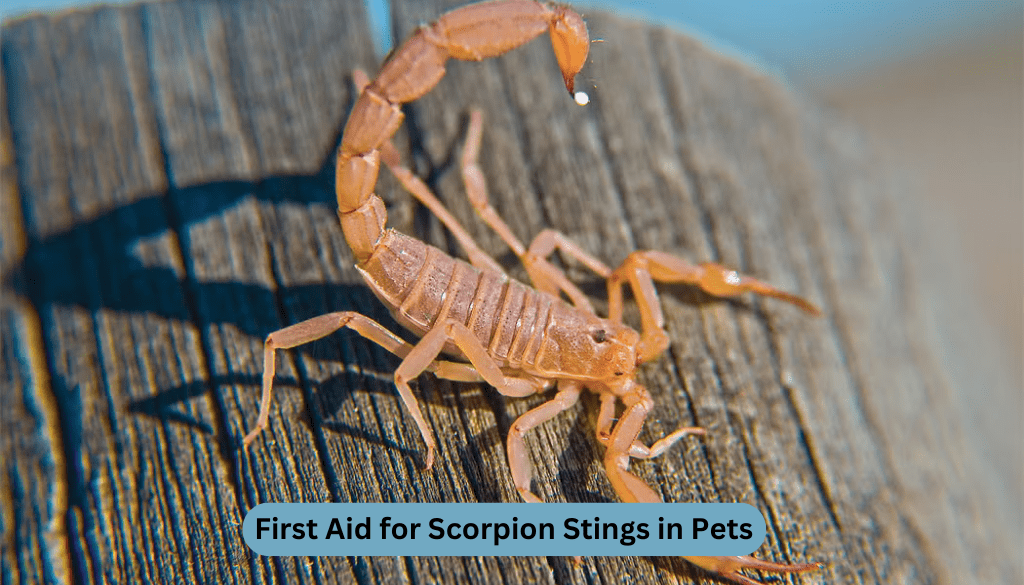
Even though they’re big stars of several ecosystems, scorpions own an ill repute. Scorpions can pose serious threats to pets, especially in areas where they are common. While most scorpion stings are not fatal, they can cause severe pain and distress for your furry friend. Acting quickly with first aid for scorpion stings in pets can reduce discomfort and prevent complications. Pets are naturally curious, which makes them more likely to encounter scorpions. A sting can happen suddenly, even during a walk or while exploring your yard. Today’s post provides simple steps to handle scorpion stings and keep your pet safe.
What Makes Scorpion Stings Dangerous for Pets?
Scorpions inject venom through their sting, which can affect pets in various ways. Usually, the venom causes immediate pain and swelling at the sting site. Some species, like the bark scorpion, have highly toxic venom that can lead to severe symptoms.
For most pets, a scorpion sting results in localized discomfort. However, smaller animals or those with allergic reactions may experience more serious effects. Symptoms such as difficulty breathing, drooling, or tremors signal the need for urgent care.
Scorpion venom targets the nervous system, which can cause muscle spasms or paralysis in severe cases. Quick first aid for scorpion stings in pets and veterinary attention are keys to minimizing these risks and ensuring recovery.
Signs Your Pet Has Been Stung by a Scorpion
Scorpion stings can cause immediate and visible reactions in pets. Recognizing the signs helps you take quick action.
Common symptoms include:
- Sudden crying or yelping, indicates pain.
- Your pet may limp, lick, or paw at the affected area.
- Swelling or redness around the sting site is often visible.
More severe reactions can include:
- Drooling,
- Trembling,
- Difficulty breathing.
- Some pets may appear disoriented or have seizures.
These symptoms require immediate veterinary attention. Watch for behavioral changes, such as lethargy or refusal to eat, which may develop after the sting. Identifying these signs early helps ensure proper care for your pet.
Immediate First Aid for Scorpion Stings in Pets
Taking immediate steps after a scorpion sting can help ease your pet’s pain and reduce risks. Follow these simple first-aid measures.
Stay Calm and Assess the Situation
Move your pet away from the scorpion to prevent further stings. Look for the sting site on their body, often on their paws or faces. Handle your pet gently to avoid causing more distress.
Clean the Sting Site
Wash the area with cool water and mild soap to remove venom residue. Avoid scrubbing the area, as it may irritate the skin further. Also, pat the site dry with a clean towel.
Apply a Cold Compress
Use a cold pack or a cloth filled with ice to reduce swelling and pain. Wrap the ice pack in a towel to avoid direct contact with the skin. Apply the compress for 10 to 15 minutes at a time.
Restrict Movement
Limit your pet’s activity to slow the spread of venom. Besides, keep them calm and encourage them to rest in a safe, quiet area.

Contact Your Veterinarian
Seek veterinary attention immediately if your pet shows severe symptoms like difficulty breathing, drooling, or collapse. Even if symptoms seem mild, a vet can provide pain relief and monitor for complications.
These canine first aid steps provide comfort to your pet and prepare them for professional care. Quick action can make a big difference in their recovery.
How to Prevent Scorpion Confrontation in Your House
Keeping a scorpion-free atmosphere is a formula to avoid stings. Preventing scorpions from entering your home reduces the risk of stings. Simple steps can keep your pets safe.
- Seal Cracks and Gaps: Inspect your home for cracks in walls, windows, or doors. Use caulk or weatherstripping to block entry points. Repair damaged screens on windows and vents.
- Keep Your Home Clean: Clutter provides hiding spots for scorpions. Keep floors, closets, and storage areas tidy. Avoid leaving piles of clothes, shoes, or cardboard boxes on the ground.
- Control Scorpion Habitats Outdoors: Remove woodpiles, rocks, or debris from your yard. Trim bushes and grass regularly. Scorpions often hide in these areas during the day.
- Use Scorpion-Repellent Products: Apply scorpion-specific pest control treatments around your home. Choose products safe for pets and follow the manufacturer’s instructions.
- Supervise Pets Outdoors: Monitor your pets during outdoor activities, especially at night when scorpions are active. Also, avoid letting pets explore areas with rocks or debris where scorpions may hide.
When to Call a Veterinarian
Some situations require immediate veterinary attention. Knowing when to call your vet can save your pet’s life.
Call your veterinarian if your pet shows signs of severe pain, swelling, or unusual symptoms like drooling or vomiting. Difficulty breathing, muscle tremors, or collapse are emergencies that need urgent care.
Contact your vet if the scorpion species is unknown or if you suspect the sting came from a venomous type like the bark scorpion. Even mild symptoms should be assessed by a professional to prevent complications. Call Doctor Pet Hospital for advice and to get them ready for your approach.
Describe your pet’s symptoms and actions taken when you call. This information helps the vet prepare for treatment. Quick action ensures your pet gets the care they need to recover safely.
Conclusion
First aid for scorpion stings in pets is a necessity for every pet owner. Scorpion stings in pets require quick action to reduce pain and prevent serious complications. By recognizing symptoms early and applying basic first aid, you can help your pet feel better and avoid further harm. Taking steps to prevent scorpion encounters, both indoors and outdoors, also reduces the chances of stings. A clean, sealed home and monitored outdoor activities can keep your pets safe from these threats.
Act Fast to Protect Your Pet!
If your pet is stung, stay calm, provide immediate first aid, and seek professional care as needed. Doctor Pet Hospital in Bahria Town is here to help in emergencies, offering expert advice and treatment for scorpion stings. Contact us for guidance or immediate assistance to ensure your pet’s well-being.