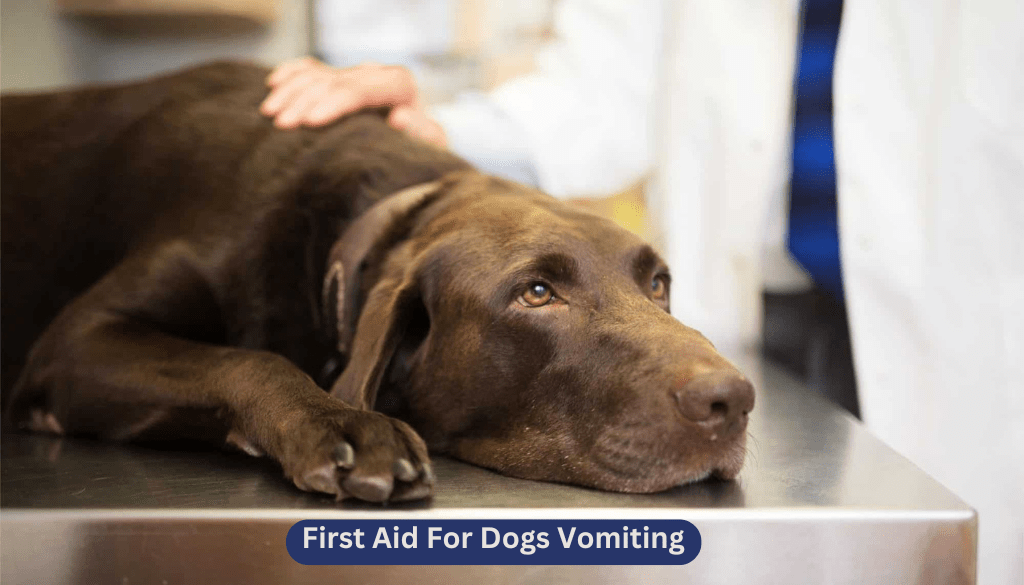
Has your dog ever vomited unexpectedly? While occasional vomiting might seem harmless, it can signal an upset stomach or a more serious issue. Quick first aid for dogs vomiting can make a big difference in keeping your pet comfortable and safe. Dogs are naturally curious and may eat things they shouldn’t, leading to vomiting. Common causes range from simple dietary mishaps to underlying health problems. This guide will help you understand why dogs vomit and how to provide immediate first aid to ensure their well-being.
Common Causes of Vomiting in Dogs
Vomiting in dogs can happen for various reasons. An awareness of these causes helps in providing timely care.
Dietary Carelessness
Dogs often eat items they shouldn’t, such as spoiled food, garbage, or even foreign objects. This behavior, known as dietary indiscretion, irritates their stomach and leads to vomiting. Also, leftover table scraps with high fat or seasoning can trigger this response.
Food Allergies
Some dogs have allergies to specific food ingredients, such as grains or proteins like chicken or beef. These allergies upset their digestive system, causing symptoms like vomiting and diarrhea. So, identifying and avoiding these triggers helps prevent further episodes.
Toxins or Poisoning
Toxic substances like certain plants, household cleaning products, medications, or human foods (e.g., chocolate or onions) can cause immediate vomiting. These situations often require urgent veterinary attention to prevent further harm.
Illness or Infections
Vomiting can be a symptom of underlying illnesses such as kidney disease, liver disease, or pancreatitis. Besides, stomach infections from bacteria or parasites like worms can cause vomiting. These issues often come with additional symptoms like lethargy or weight loss.
Motion Sickness
Some dogs experience nausea during car rides or other forms of travel. This happens because their inner ear balance system gets disrupted. Consequently, it makes them feel queasy and leads to vomiting.
Each of these causes needs proper attention and care. While some issues may be resolved with simple first aid, others require professional treatment. Acting quickly ensures the best outcome for your dog’s health.
Signs That Vomiting is Serious
Vomiting in dogs is not always a cause for alarm, but some signs indicate a more serious problem. Paying attention to these symptoms helps determine when first aid for dogs vomiting is necessary and when to seek veterinary care.
- Persistent or Frequent Vomiting: If your dog vomits multiple times in a short period or continues vomiting over several hours, it may indicate an underlying issue that needs immediate attention.
- Blood in Vomit or Stool: Blood in the vomit, ranging from bright red to coffee-ground-like dark particles, is a warning sign. It often suggests internal bleeding or severe irritation in the digestive tract.
- Dehydration Symptoms: Excessive vomiting can lead to dehydration. Check for dry gums, sunken eyes, or a loss of skin elasticity. Also, dehydration can worsen quickly and requires prompt action.
- Lethargy or Weakness: If your dog becomes unusually tired, weak, or refuses to eat or drink after vomiting, it may signal a more severe condition that needs professional care.
- Signs of Pain: Whining, restlessness, or a hunched posture could indicate abdominal pain. These symptoms often accompany serious digestive issues.
Immediate First Aid for Dogs Vomiting

Taking quick action when your dog vomits can help them feel better and prevent further issues. Here are simple steps to provide effective first aid for dogs vomiting.
Remove Food and Water Temporarily
Allow your dog’s stomach to rest by removing food and water for a few hours. This prevents further irritation and helps stop vomiting. However, avoid this step for puppies or small breeds, as they can become hypoglycemic without food.
Monitor Your Dog Closely
Observe the frequency and contents of the vomit. Take note of anything unusual, such as blood or foreign objects. Track your dog’s behavior for signs of improvement or worsening.
Reintroduce Water Slowly
After a few hours without vomiting, offer small amounts of fresh water. Avoid giving too much at once to prevent triggering another episode. Also, use a pet-safe electrolyte solution if your dog appears dehydrated.
Avoid Giving Food Immediately
In case your dog stops vomiting, wait 12-24 hours before reintroducing food. Start with a bland diet, such as boiled chicken and plain rice, in small portions.
Check for Toxins or Foreign Objects
Inspect your home and yard for anything your dog may have ingested, such as plants, garbage, or chemicals. This information can help your vet provide the right treatment.
Contact Your Veterinarian if Necessary
Consult your veterinarian immediately if symptoms persist or worsen despite your first aid efforts. Provide details about the vomiting, your dog’s behavior, and any potential causes.
These steps provide effective first aid for dogs vomiting and ensure your pet receives proper care. Quick action makes a significant difference in your dog’s recovery.
Preventing Vomiting in Dogs
Preventing vomiting in dogs involves maintaining a safe environment and promoting healthy habits. Here are simple steps to reduce the risk:
- Feed a Balanced and Consistent Diet: Provide high-quality dog food that meets your pet’s nutritional needs. Avoid sudden diet changes, as this can upset the pet’s stomach. If needed, gradually transition to new foods over a week.
- Keep Harmful Substances Out of Reach: Store cleaning supplies, medications, and toxic foods like chocolate or onions in secure locations. Ensure your dog cannot access trash bins or leftover food.
- Avoid Overfeeding: Follow portion recommendations for your dog’s size and activity level. Overfeeding can lead to digestive problems and increase the risk of vomiting.
- Monitor Outdoor Activities: Supervise your dog during walks or playtime. Prevent them from eating plants, garbage, or unknown objects that could harm their stomach.
- Limit Table Scraps: Human food often contains spices, fats, or ingredients that are difficult for dogs to digest. To avoid gastrointestinal issues, stick to dog-safe treats.
Consistent care and monitoring create a safer environment and reduce the likelihood of vomiting episodes.
When to Call the Vet?
Certain situations require immediate veterinary care to protect your dog’s health and safety. If vomiting persists for more than 24 hours, it can lead to dehydration or indicate a serious underlying condition that needs professional attention. The presence of blood in the vomit or stool is another warning sign, as it often points to internal irritation, injury, or more severe health problems. Severe dehydration, marked by dry gums, sunken eyes, or excessive lethargy, also calls for urgent care.
If you suspect your dog has ingested a toxic substance, such as harmful plants, chemicals, or foods, contact your veterinarian immediately, even if symptoms seem mild. Additionally, if your dog shows signs of severe pain or distress, such as restlessness, whining, or unusual behavior, it could indicate a critical condition like pancreatitis or an obstruction. Timely intervention ensures your dog receives the care they need to recover safely.
Final Words
Vomiting in dogs can range from a minor issue to a sign of something more serious. Acting quickly with proper first aid for dogs vomiting helps your pet feel better and prevents complications. Monitoring symptoms and knowing when to call the vet can make a significant difference in your dog’s recovery. Caring for your dog’s health requires attention, preparation, and prompt action. By following these steps, you can keep your furry friend safe and healthy.
Help Your Dog Feel Better Today!
Doctor Pet Hospital Rawalpindi is here to provide expert care for vomiting and other pet emergencies. From diagnostics to treatment, we ensure your dog receives the best care. Contact us now to schedule a visit or for immediate advice!