When emergencies strike, every second counts, especially for your furry friend. Knowing how to administer first aid for dogs can be the difference between a quick recovery and a dire situation. From minor cuts to life-threatening conditions like choking or poisoning, basic first aid skills empower pet owners to act fast and decisively.
Dogs are naturally curious and active, which means accidents can happen at any time. Even if it’s a scraped paw, heatstroke, or ingesting something harmful, being prepared can save your pet’s life. In this guide, we’ll explore the basics of first aid for dogs and how you can provide immediate care when it’s needed most.
Why First Aid for Dogs is Crucial?
Dogs often find themselves in unexpected situations. Typically, they explore with their noses, mouths, and paws, which can lead to accidents. So, a grasp of first aid for dogs helps pet owners manage emergencies until professional help arrives.
Common Scenarios Where First Aid is Needed
- Cuts and Scrapes: Active dogs can easily injure their paws or skin while playing or exploring.
- Choking: Dogs often chew on objects that may become lodged in their throat.
- Poisoning: Household items like chocolate, certain plants, and cleaning chemicals are toxic to dogs.
- Heatstroke: Overheating during hot weather can quickly become life-threatening.
- Broken Bones: Falls or accidents can lead to fractures that require immediate immobilization.
The Importance of Being Prepared
Preparedness reduces panic in emergencies. With basic first aid knowledge and a stocked kit, pet owners can act quickly. Of course, immediate care stabilizes the situation, prevents further harm, and ensures the dog is ready for professional veterinary care.
Building a Dog First Aid Kit
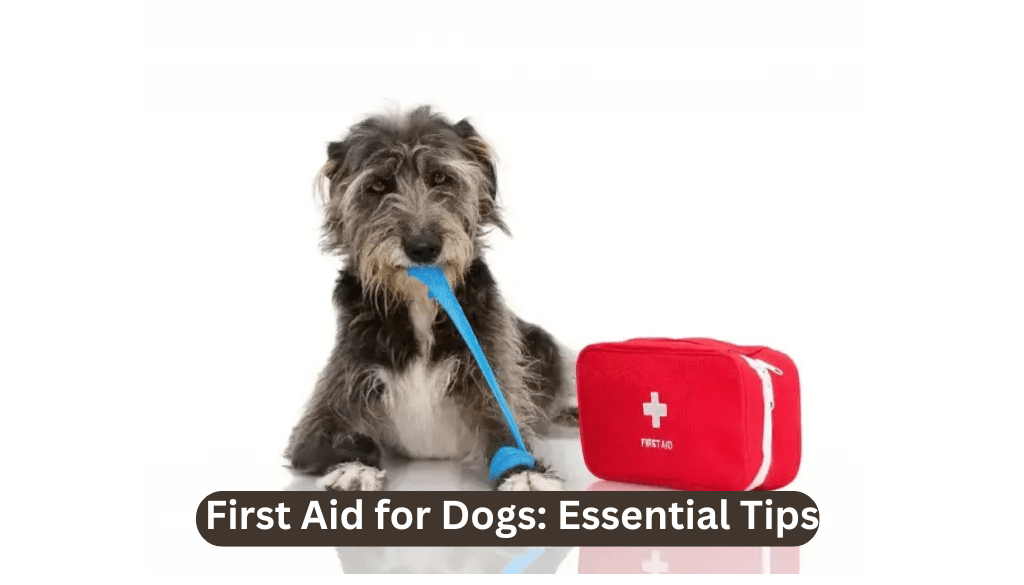
A dog-specific first aid kit is your first line of defense in emergencies. It ensures you’re ready to handle a variety of situations without scrambling for supplies.
Essential Items for Your Dog First Aid Kit
- Bandages and Gauze: For covering wounds and controlling bleeding.
- Antiseptic Wipes or Solution: To clean cuts and prevent infection.
- Tweezers: For removing splinters, ticks, or small foreign objects.
- Scissors: To cut bandages or matted fur around wounds.
- Digital Thermometer: To check for fever or hypothermia.
- Hydrogen Peroxide: For inducing vomiting (use only under veterinary guidance).
- Muzzle or Soft Wrap: Even gentle dogs may bite when in pain.
- Emergency Contact Numbers: Your vet, the nearest animal hospital, and pet poison control.
Tips for Organizing Your Kit
- Use a sturdy, waterproof container to store items.
- Label items clearly for easy identification during stressful situations.
- Keep your kit in an accessible location and ensure all family members know where it is.
When you assemble a well-stocked first aid kit, you take a proactive step toward safeguarding your dog’s health in emergencies.
Recognizing Common Emergencies
Recognizing the signs of an emergency is critical. Dogs cannot communicate their pain, so observing their behavior and physical symptoms is the key.
Signs of Distress in Dogs
- Difficulty Breathing: Labored breathing, wheezing, or bluish gums may indicate choking or a respiratory issue.
- Excessive Bleeding: Persistent bleeding from a wound suggests the need for immediate first aid and possibly veterinary care.
- Seizures: Shaking, drooling, and temporary unresponsiveness are signs of seizures, which need urgent attention.
- Vomiting or Diarrhea: Frequent episodes, particularly with blood, may signal poisoning or infection.
- Lethargy or Collapse: Sudden weakness or inability to stand indicates a serious condition like heatstroke or shock.
When to Take Immediate Action vs. Head to the Vet
When you notice any of these signs, apply first aid if the situation is manageable, such as cleaning a wound or removing a visible obstruction in the mouth. But seek veterinary care for severe symptoms like heavy bleeding, prolonged seizures, or poisoning. Call your vet to describe the situation while en route. Realizing emergencies early and responding appropriately can improve outcomes for your dog. Always err on the side of caution and contact a vet when unsure.

Immediate First Aid Steps for Common Issues
A thorough knowledge of how to respond during emergencies can save your dog’s life. Acting quickly and effectively is necessary to provide immediate help when needed. Here are the key steps for handling common issues.
Wounds and Bleeding
For wounds and bleeding, clean minor wounds with antiseptic to prevent infection and apply a bandage to protect the area. If the bleeding is severe, use a clean cloth or gauze to apply firm pressure and control it. That siad, do not remove the cloth if blood soaks through; instead, add more layers and maintain pressure until help arrives. Also, seek veterinary care immediately for severe bleeding to avoid complications.
Choking or Foreign Object Ingestion
In cases of choking or foreign object ingestion, allow your dog to cough if they are still breathing. Because this might help them move the object naturally. If they cannot breathe, check their mouth for visible obstructions and carefully remove them. However, for larger objects blocking the airway, perform the Heimlich maneuver by applying gentle abdominal thrusts. If your dog swallows an object, avoid inducing vomiting unless your vet advises it. Contact your veterinarian immediately to determine the next steps.
Poisoning
If you guess poisoning, watch for symptoms such as vomiting, drooling, seizures, or unusual behavior. Call your vet or pet poison control as soon as possible. Do not attempt to induce vomiting unless instructed by a professional, as some substances can cause more harm if brought back up. Additionally, provide as much information as possible about the ingested substance to your vet for accurate guidance.
Heatstroke
Heatstroke can occur quickly, especially during hot weather or after intense exercise. So, move your dog to a shaded or cool area and offer small amounts of water to keep them hydrated. Wet their paws, belly, and neck with cool water, but avoid using ice as it can worsen the condition. Call your vet immediately, as heatstroke can lead to severe organ damage if not treated promptly.
Seizures
During a seizure, clear the area of objects that could harm your dog and avoid touching them directly to prevent accidental bites. Once the seizure ends, keep your dog calm and monitor their breathing closely. Contact your vet immediately to discuss what happened and seek further evaluation.
Acting quickly and confidently in these situations can stabilize your dog and improve their chances of recovery before they receives professional care.
First Aid Training for Pet Owners
Learning first aid skills equips you to act confidently in emergencies. Training ensures you respond effectively while avoiding actions that could cause harm.
Why Training Matters?
First aid training helps you recognize emergencies faster. It teaches safe techniques for handling dogs in pain or distress. Besides, you’ll understand when to step in and when to seek veterinary care immediately.
Where to Access Training
Many animal clinics and community centers offer first aid classes for pet owners. Also, reputable organizations, such as the Red Cross, provide online courses for pet first aid. Ask your vet for advice on practical first aid skills and handling emergencies.
What You’ll Learn
- Proper bandaging techniques.
- How to perform CPR on dogs.
- Safe ways to move an injured pet.
First aid training not only prepares you for emergencies but also deepens your bond with your pet by giving you the tools to protect your dog effectively.
Conclusion
First aid for dogs is a critical skill every pet owner should learn. Emergencies can happen when you least expect them, and knowing how to act can save your dog’s life. From building a first aid kit to learning basic techniques and recognizing when to call the vet, these steps empower you to protect your furry friend in challenging situations.
Be Ready to Protect Your Dog Anytime!
At Doctor Pet Hospital in Bahria Town, we understand how much your dog means to you. Our team is here to provide support, whether it’s preventative care, training resources, or emergency services. Prepare yourself today and give your pet the best chance for a happy, healthy life.