
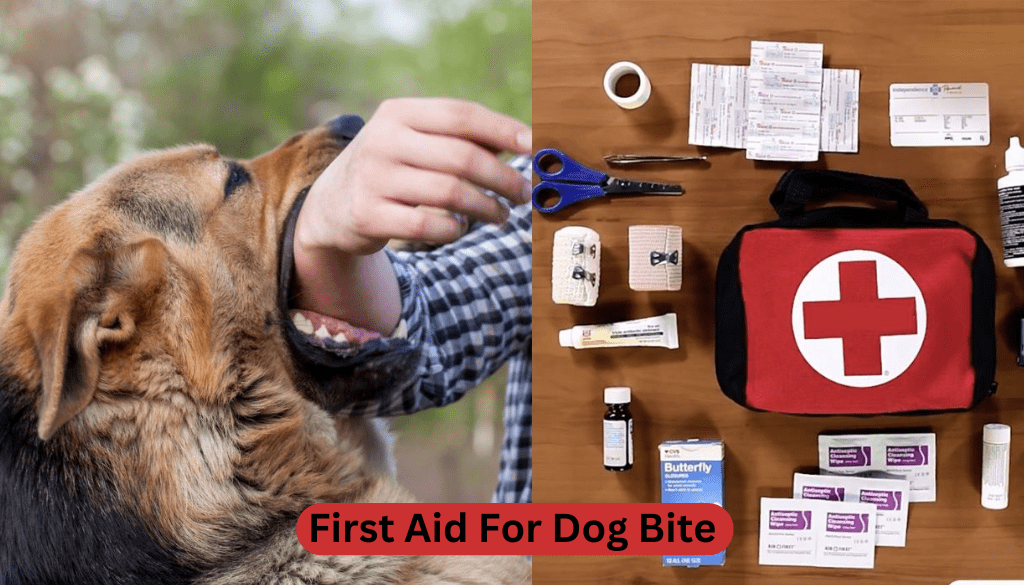
Did you know that over 4.5 million people in the United States are bitten by dogs yearly? Dog bites can range from minor scratches to severe wounds affecting humans and animals. Immediate first aid for dog bite prevent infections, reduces complications, and promotes faster healing. Dog bites may occur unexpectedly, even with friendly pets. Stress, fear, or unfamiliar situations can trigger a dog to bite. When this happens, knowing the right steps is critical for your safety and your pet’s well-being. This guide will walk you through the essential steps of first aid for dog bites and help you stay prepared.
Why Do Dog Bites Happen?
Dog bites often result from common triggers like fear, anxiety, or territorial behavior. Even well-trained dogs may bite under stressful conditions. For example, dogs may react defensively if they feel threatened or startled.
Dog bites can lead to physical injuries and emotional distress. Typically, they pose risks like infections due to bacteria in the dog’s saliva, deep tissue damage, or even nerve injuries. In rare cases, bites may transmit diseases like rabies. For dogs bitten by other dogs, bites can cause puncture wounds, abscesses, or torn skin that require immediate care.
A grasp of why dog bites happen helps pet owners prevent them. It also highlights the importance of acting quickly to address injuries and minimize complications for everyone involved.
First Aid for Humans Bitten by a Dog
Immediate action after a dog bite can prevent infections and other complications. For first aid for dog bite follow these steps to care for the wound effectively.
Clean and Disinfect the Wound
Wash the wound with soap and water to remove dirt and bacteria. Runnel water is used to flush the area thoroughly. Also, pat the wound dry with a clean towel and apply an antiseptic to reduce the risk of infection.
“Immediate and thorough cleaning of a dog bite wound is crucial to prevent infection. Use mild soap and warm water, and seek medical attention promptly.” — Dr. Stephen Sayles III, Emergency Medicine Physician
Control the Bleeding
For minor bleeding, apply gentle pressure with a clean cloth or sterile gauze. Elevate the injured area to slow blood flow if needed. For heavy bleeding, press firmly on the wound and seek medical help immediately.
When to Seek Medical Attention
Consult a doctor if the wound is deep, continues bleeding, or shows signs of infection. For instance, redness, swelling, or pus. Besides, check if your tetanus vaccination is current. Contact your doctor if the biting dog’s rabies vaccination status is unclear.
These steps ensure the wound is clean, protected, and treated before complications arise.
First Aid for Dogs Bitten by Another Dog
Dog bites can harm pets both physically and emotionally. Immediate care helps prevent infections and complications. Follow these steps to care for your dog after a bite.
Assess the Injury
Check your dog for bleeding, puncture wounds, or swelling. Look for signs of pain or shock, such as trembling or weakness. Also, avoid touching the wound directly to prevent causing more discomfort.
Wipe the Wound
Flush the wound with clean water or saline solution to remove dirt and bacteria. Do not use hydrogen peroxide or alcohol, as they may irritate the skin. Gently pat the area dry with a clean cloth.
Manage Bleeding
Use sterile gauze or a clean cloth to apply gentle pressure on the wound. If bleeding does not stop after a few minutes, seek veterinary care immediately.
Visit the Vet
Even if the wound looks small, take your dog to the vet. Bite wounds often go deeper than they appear. Besides, they may require antibiotics or professional cleaning. Follow your vet’s recommendations for wound care and any prescribed medications.

What Problems Can a Dog Bite Cause?
Dog bites can lead to serious complications if not treated promptly. So, addressing these risks early is essential to avoid long-term issues.
Infections from Bacteria
The bacteria in a dog’s mouth can cause infections like cellulitis, leading to swelling, redness, and pain. In severe cases, sepsis, a life-threatening infection, may develop. Therefore, proper wound cleaning and medical attention help reduce these risks.
Damage to Muscles, Tendons, or Nerves
A deep bite can injure muscles, tendons, or nerves. This may result in reduced mobility, chronic pain, or loss of function. Immediate care is necessary to minimize further damage and aid healing.
Rabies Concerns
Rabies is rare in vaccinated dogs but remains a risk if the biting dog’s vaccination status is unknown. Any bite from an unvaccinated or stray dog should be evaluated by a doctor immediately.
Immediate first aid for dog bite and medical care can help prevent these complications and promote faster recovery.
How to Prevent Infection After a Dog Bite?
Proper care reduces the risk of infection in both humans and dogs. Simple pet care essentials can keep wounds clean and promote healing.
For humans, wash the wound with soap and running water as soon as possible. Use antiseptic to kill bacteria and pat the area dry. For dogs, flush the wound with saline solution and avoid using harsh chemicals.
Use antiseptic cream for human wounds to prevent bacteria growth. For dogs, consult your vet about using pet-safe topical antibiotics.
Cover the wound with a sterile dressing or bandage to protect it from dirt and further injury. Replace the dressing daily or whenever it becomes wet or dirty.
Monitor the wound for redness, swelling, or pus. For humans, seek medical care if fever or unusual pain develops. For dogs, consult your vet if the wound becomes inflamed or does not heal properly.
When to Call a Vet or Doctor
Immediate medical attention is critical in some situations. About 1 in every 5 dog bites needs medication.
- For Humans: Call a doctor if the wound is deep, continues to bleed, or shows signs of infection like redness or swelling. Seek immediate care if you suspect rabies exposure or need a tetanus booster. Besides, if fever or unusual symptoms develop, visit a healthcare provider.
- For Dogs: Contact a vet if your dog has a deep wound, severe bleeding, or signs of infection like swelling or discharge. Take your dog in if they show signs of pain, weakness, or difficulty moving. Even minor-looking bite wounds can cause complications, so a vet visit is always advisable.
Doctor Pet Hospital’s Role in Dog Bite Care
Doctor Pet Hospital in Rawalpindi Bahria Town provides expert care for pets and their owners after dog bite incidents. Our services include wound treatment, vaccination checks, and preventative care advice. We help pets heal and support owners in managing the situation. Besides, our team is experienced in handling emergencies and providing guidance on first aid for dog bites. We are committed to keeping your pets healthy and safe. Contact us for immediate help or advice.
Final Thoughts
First aid for dog bite injuries can make a significant difference in recovery. Immediate care reduces risks of infection, minimizes pain, and ensures proper healing. Acting quickly protects both humans and dogs during emergencies.