
Limited Living Space
Urban areas in Pakistan are known for their densely populated residential zones and smaller living spaces, particularly in apartments and houses with little or no outdoor areas. For pet owners, especially those with larger breeds of dogs, the lack of space can be a significant challenge. Pets need room to move, play, and exercise, but small apartments and confined spaces can limit their activity levels, leading to boredom, anxiety, or destructive behavior.
Many pet owners also struggle with the noise and disturbance pets may cause in apartment complexes, where the proximity of neighbors can lead to complaints.
Lack of Pet-Friendly Parks and Spaces
One of the most significant challenges of owning pets in urban areas is the lack of pet-friendly public spaces, such as parks or walking areas. In cities like Karachi and Lahore, there are very few designated areas where pets can run, socialize, or exercise freely. The few parks that do exist often have restrictions on pets, limiting opportunities for dogs to be walked or trained in open, safe environments.
This lack of outdoor space for pets to play and exercise can lead to health problems such as obesity, joint issues, or behavioral problems due to insufficient physical activity.
Inconsistent Access to Veterinary Care
While urban areas have more veterinary clinics than rural regions, access to high-quality, affordable veterinary care can still be inconsistent. In major cities, there is a shortage of specialized vets and facilities that offer advanced treatments for more complex conditions. Many clinics are overcrowded, and pet owners may have to wait long periods to get their pets treated.
Additionally, emergency care is limited in some areas, with few 24-hour veterinary hospitals or services available. This can be particularly worrying in cases of sudden illness or accidents when immediate medical attention is needed.
Rising Costs of Pet Care
The cost of raising a pet in urban areas of Pakistan has been steadily increasing. Expenses related to pet food, grooming, vaccinations, and medical care can strain a household’s budget. Imported pet products, which are often considered higher quality, are especially expensive due to high import taxes and limited availability.
Furthermore, pet owners in cities often rely on specialized grooming services, training, and healthcare, all of which add up. In some cases, pet owners might compromise on the quality of care to save costs, which can lead to health issues for their pets in the long run.
Social Stigma and Attitudes Towards Pets
In some parts of Pakistan, particularly in conservative urban areas, owning pets is not always socially accepted. While attitudes toward pet ownership are changing, some pet owners still face stigma or criticism, especially if they own larger dogs. This can make it difficult for pet owners to take their pets out in public without encountering negative reactions or disapproving looks.
In certain neighborhoods, the cultural preference to keep animals outdoors or confined to specific areas may clash with pet owners who treat their pets as family members and allow them to live indoors.

Noise and Pollution
Urban environments are often filled with noise, traffic, and pollution, all of which can negatively affect pets. The constant sounds of traffic, construction, and crowds can create anxiety or stress for sensitive animals, particularly dogs. Air pollution in major cities like Karachi and Lahore can also impact a pet’s health. As a result, this leads to respiratory problems and allergies.
Pets that spend time outside may also be exposed to unsafe levels of noise and pollutants, which could harm their well-being in the long term.
Lack of Time and Busy Lifestyles
Urban living often comes with a fast-paced lifestyle, with people juggling work, family, and social commitments. Pet owners may struggle to find enough time to properly care for their pets. This includes activities like feeding, grooming, exercising, and spending quality time with them. This can result in pets feeling neglected or developing behavioral issues due to lack of attention and interaction.
For working professionals, hiring pet sitters or boarding services during vacations or business trips can also be an additional challenge. This is because these services are often limited and costly in Pakistan’s urban areas.
Transportation Issues
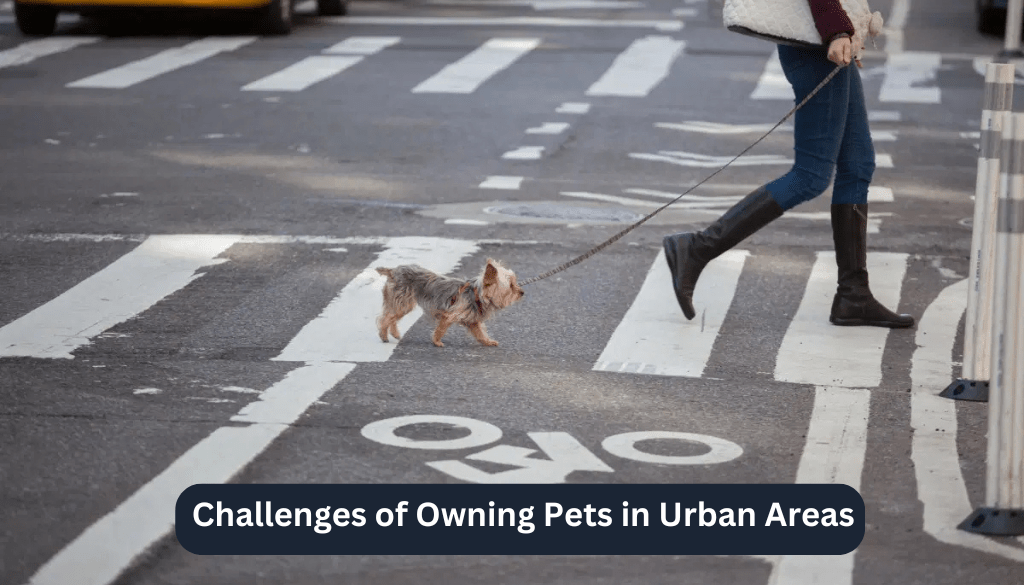
Getting around the city with pets can be a challenge in Pakistan’s urban areas. Public transportation systems like buses or ride-hailing services such as Uber and Careem generally do not allow pets. This makes it difficult for pet owners to transport their animals to the vet, groomers, or other necessary locations. Particularly this becomes more difficult if they don’t own a personal vehicle.
In cases of medical emergencies or if a pet requires urgent attention, this lack of transportation options can cause stress and delays in getting necessary care.
Pet Population Control and Stray Animals
Among other challenges of owning pets in urban areas are stray animals. Stray animals are a common sight in Pakistan’s urban areas. Cities like Karachi and Lahore having large populations of stray dogs and cats. This presents a number of challenges for pet owners. Pets may encounter strays during walks, leading to potential fights, injuries, or exposure to diseases.
Additionally, the lack of widespread spaying and neutering practices contributes to the growing stray population. Consequently, this exacerbates the issue of animal overpopulation in urban settings.
Conclusion
While owning a pet in Pakistan’s urban areas is certainly possible, it comes with a host of challenges. So, pet owners must be prepared to navigate these challenges. Limited space, rising costs, inconsistent access to veterinary care, and social attitudes all add complexity to raising pets in cities like Karachi, Lahore, and Islamabad. Despite these hurdles, many urban pet owners find the rewards of companionship and love to be well worth the effort.
Overcome Urban Pet Challenges with Expert Care from Doctor Pet Hospital Today!
Living in the city with a pet comes with its own set of difficulties, but you don’t have to face them alone. If you’re in Islamabad, Rawalpindi, or nearby areas and are seeking veterinary care for your pet, consider visiting Doctor Pet Hospital. We provide a full range of veterinary services and are recognized for our expertise and compassionate care.