

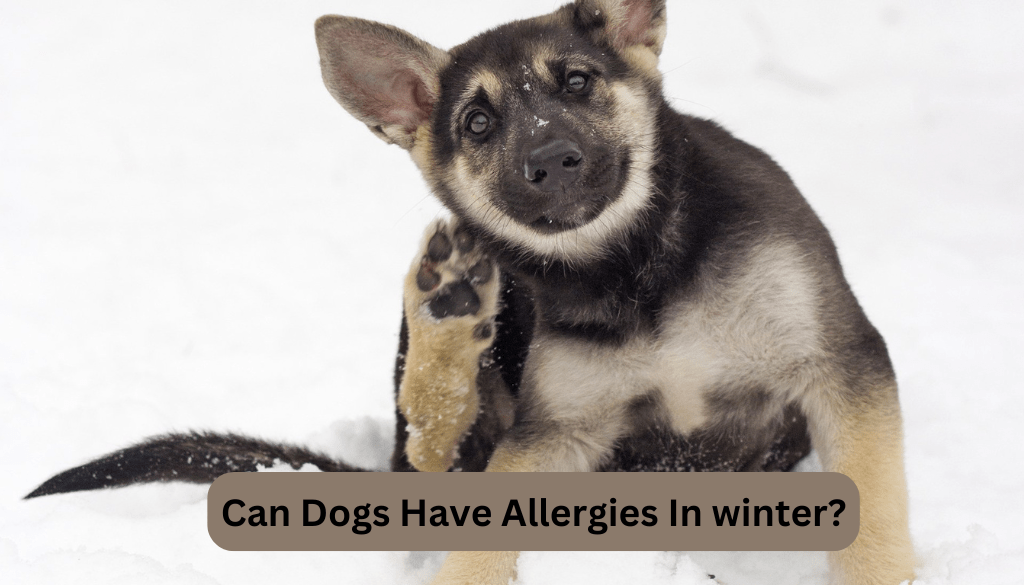
While considering seasonal allergies, spring months certainly cross the mind, and rightfully. So much pollen from trees, grasses, and flowers circulate through the air, leading to big allergy problems for people and dogs the same. Unexpectedly, the winter season can turn out just as troublesome. The irritants change, but the signs stay, causing almost constant disturbance for allergy-sensitive puppies and owners.
With the windows shut and heating systems on, allergens like dust mites, mold, and pet dander circulate more freely in our homes, and cold, dry air can irritate a dog’s skin and respiratory system. If you notice any signs during winter, it’s better to consider winter allergies and analyze their causes. To keep you up, here’s everything you need to know about winter allergies in dogs.
What Are Winter Allergies in Dogs?
Winter allergies are allergic reactions in dogs that arise mainly due to allergens present indoors or environmental factors associated with the colder months. Winter might seem like a break from the typical allergy season, but for dogs, allergies don’t always go away with the warmer weather.
In fact, certain allergens are even more prevalent during winter months, especially when pets spend more time indoors. These allergies are triggered by indoor pollutants and dry, cold air that can irritate their skin and respiratory system.
During winter, as homes become more insulated to retain warmth, dust mites, mold spores, and pet dander tend to linger in the air, making it easier for dogs to inhale or come into contact with these irritants.
Cold, dry air itself can be an irritant, particularly for dogs with sensitive skin. As humidity levels drop, a dog’s skin may lose moisture, leading to itching, redness, and discomfort. Winter allergies often look different from those in warmer months but can still cause significant discomfort for pets.
Recognizing these allergens and understanding how they impact your pet’s health is critical for keeping them comfortable and protecting your dog from cold weather.
Signs and Symptoms of Winter Allergies
Winter allergies have the same symptoms in dogs as the other season allergies. Recognizing the signs of winter allergies in dogs is crucial for providing timely relief. Here are some common symptoms to watch for:
- Skin Irritation (itching, redness, flaky skin)
- Excessive Scratching, Licking, or Biting
- Hair Loss (especially in targeted areas)
- Sneezing and Coughing
- Nasal Discharge or Runny Nose
- Watery or Red Eyes
- Face Rubbing on Surfaces
- Paw Licking or Biting
- Restlessness or Irritability
- Frequent Head Shaking
- Hives or Raised Bumps on Skin
These symptoms can help you identify and manage potential winter allergies in your dog.
Causes of Winter Allergies in Dogs
Winter allergies in dogs often stem from increased exposure to indoor allergens and specific environmental factors. Here’s a quick overview of what can trigger these allergies:
- Indoor Allergens:
- Dust mites accumulate in carpets, bedding, and upholstery.
- Mold spores in damp areas (e.g., basements and bathrooms) due to reduced ventilation.
- Pet dander circulating in the air, especially with heating systems running.
- Environmental Sensitivities:
- Cold, dry air leads to skin dryness and irritation.
- Low indoor humidity boosts respiratory sensitivities and causes flaky skin.
- Cleaning Products and Indoor Chemicals:
- Frequent use of cleaning products, air fresheners, and scented candles that release chemicals.
- Exposure to floor-level irritants affects dogs more since they are close to the ground.

Diagnosis of Allergies in Dogs
Diagnosing winter allergies in dogs involves identifying specific allergens and ruling out other potential causes for symptoms. Since allergy symptoms can mimic other conditions, such as respiratory infections or skin issues, it’s essential to consult with a veterinarian for an accurate diagnosis.
Veterinarians may conduct a thorough physical exam and discuss your dog’s living environment and symptoms to pinpoint possible triggers. For a more precise diagnosis, allergy testing (such as blood or intradermal tests) may be recommended to identify specific allergens, like dust mites or mold spores. Allergy testing helps in determining the best approach to manage symptoms and minimize discomfort.
Early diagnosis is crucial in winter, as prompt care and prevention can reduce your dog’s exposure to allergens and improve their overall comfort.
Managing and Minimizing Allergies
Reducing your dog’s exposure to winter allergens can go a long way in managing their symptoms. Here are some effective pet care essentials:
- Improve Indoor Air Quality:
- Use air purifiers to reduce airborne allergens.
- Run a humidifier to maintain moisture and prevent skin dryness.
- Regularly ventilate the home by opening windows on milder days to prevent mold and reduce dander.
- Regular Grooming:
- Bathe your dog with hypoallergenic shampoos to relieve itchiness and remove allergens from their coat.
- Brush their fur frequently to minimize dander and keep skin healthy.
- Clean and Allergy-Proof the Home:
- Wash your dog’s bedding weekly to remove dust and dander buildup.
- Vacuum carpets and furniture frequently to reduce allergens.
- Choose pet-safe cleaning products to minimize chemical exposure.
Conclusion
Winter allergies can be just as uncomfortable for dogs as they are for people, with symptoms ranging from itchy skin to respiratory issues. Recognizing the signs of winter allergies and taking proactive steps to manage them can make a big difference in your pet’s comfort and overall well-being. From improving indoor air quality to regular grooming and allergy-proofing your home, small adjustments can significantly reduce allergen exposure.
Don’t Let Winter Allergies Keep Your Dog Down!
At Doctor Pet Hospital, we’re here to help you identify and manage your dog’s winter allergies with tailored care and professional support. If you notice any signs of allergies in your dog, schedule a consultation with our team to create a customized care plan. Let’s work together to keep your furry friend happy, healthy, and comfortable all winter long.