
Dogs are naturally curious and active, which makes them prone to injuries during play or exploration. Even if it’s a minor cut or a more serious wound, knowing how to provide first aid can make a significant difference in your dog’s recovery. Immediate care helps reduce pain, prevent infection, and stabilize the injury until professional care is available. This guide to first aid for dogs wounds will help you recognize common injuries and provide essential steps to treat them effectively. With a thorough knowledge of basic first aid, you can protect your dog’s health and ensure their well-being in emergencies.
Common Types of Wounds in Dogs
Dogs can experience various types of wounds depending on their activity and environment. Here are the most common injuries to watch for:
- Cuts and Scrapes: Sharp objects like glass or rocks can cause surface cuts or scrapes. These injuries are usually minor but require cleaning to prevent infection.
- Puncture Wounds: Bites from other animals or sharp objects like nails can create puncture wounds. These injuries may look small on the surface but can affect deeper tissues.
- Abrasions: Abrasions occur when the skin rubs against a rough surface, like during a fall. These wounds are usually shallow but may irritate.
- Lacerations: Lacerations are deeper cuts that damage multiple layers of tissue. The wounds often require immediate medical attention due to their severity.
- Burns: Burns can happen from hot surfaces, chemicals, or prolonged exposure to the sun. These injuries need prompt care to minimize pain and prevent infection.
Supplies Needed for First Aid
Ready to care for your dog’s wounds? In case you don’t have a first aid kit, buy one or arrange one following the below guide. Keep these essential items in your pet’s first aid kit:
- Sterile Gauze and Bandages: These help control bleeding and protect the wound from dirt and bacteria. Choose non-stick pads to prevent discomfort when removing them.
- Antiseptic Solution: Use pet-safe antiseptics like chlorhexidine or povidone-iodine to disinfect wounds. Avoid harsh chemicals like hydrogen peroxide, which can irritate tissue.
- Saline Solution: Saline is ideal for rinsing wounds and removing debris without irritating them.
- Scissors and Tweezers: Use blunt-tipped scissors to trim fur around the wound and tweezers to remove splinters or foreign objects.
- Adhesive Tape and Wraps: Medical tape and self-adhesive wraps secure bandages in place without restricting blood flow.
- Cold Compress: A cold compress reduces swelling and eases discomfort for bruises or minor injuries.
- Emergency Contact Information: Include your veterinarian’s phone number and the address of the nearest emergency clinic.
Step-by-Step First Aid for Dogs Wounds

Providing immediate care after an injury is essential to your dog’s recovery. Follow these steps for effective first aid for dogs wounds:
Stay Calm and Secure Your Dog
Move your dog to a safe, quiet area and keep them calm. Use a muzzle or wrap a soft cloth around their snout if they are in pain or acting aggressively.
Control Bleeding
Apply gentle pressure with a clean cloth or sterile gauze to stop bleeding. Hold the pressure until the bleeding slows or stops. If the cloth becomes soaked, place a new layer on top without removing the original one.
Clean the Wound
Flush the wound thoroughly with saline solution or clean water to remove dirt and debris. Use an antiseptic solution to disinfect the area, ensuring the wound is clean before dressing.
Apply a Bandage
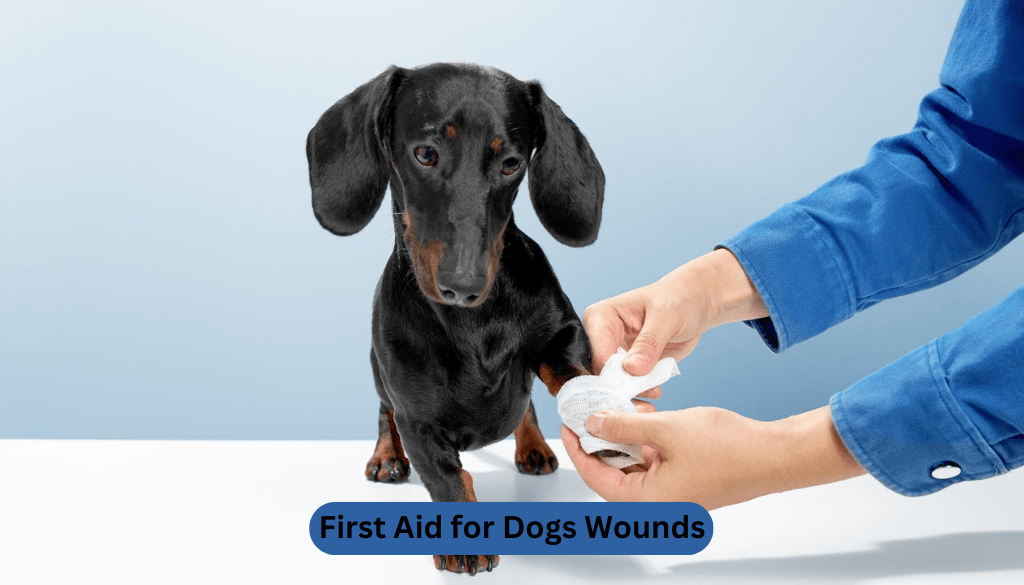
Place a sterile gauze pad over the wound and secure it with medical tape or self-adhesive wrap. Make sure the bandage is snug but not tight, allowing blood to flow freely.
Monitor the Wound
Check the wound daily for signs of infection, such as redness, swelling, or discharge. Replace the bandage as needed to keep the area clean and dry.
Seek Veterinary Care for Serious Injuries
If the wound is deep, won’t stop bleeding, or shows signs of infection, consult your veterinarian immediately. Professional care ensures proper healing and prevents complications.
Following these steps ensures that your dog receives the care they need while minimizing the risk of infection or further injury.
The Role of Doctor Pet Hospital in Wound Care
At Doctor Pet Hospital Rawalpindi, we understand how important it is to provide the best care for your pet. Our team specializes in treating wounds of all types, ensuring your dog’s safety and comfort. We begin with comprehensive wound cleaning to thoroughly remove debris and disinfect the area, reducing the risk of infection.
Our advanced diagnostics help identify hidden damage, such as muscle tears or embedded objects, ensuring no issue goes unnoticed. To prevent infections, we prescribe appropriate antibiotics or treatments and manage pain with safe, effective medications to promote faster healing.
Additionally, we update necessary vaccinations, such as tetanus or rabies, to protect your dog’s overall health. Our ultimate goal is to support your dog’s recovery and help them return to their happy, active self as quickly as possible.
Conclusion
Quick action during an emergency can make all the difference in your dog’s recovery. Cleaning wounds, applying a bandage, and monitoring for signs of infection are key steps in providing immediate care. When injuries are severe or show signs of complications, seeking professional care ensures your dog receives the best treatment. If your dog gets hurt or you need guidance, Doctor Pet Hospital is here to help. Contact us today to ensure your dog receives expert care and support for a speedy recovery.