

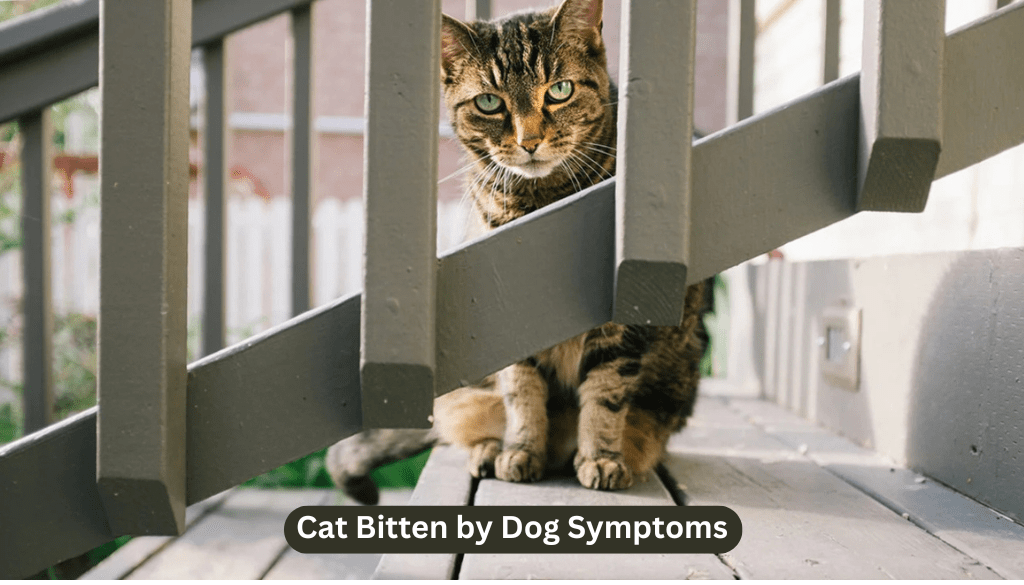
Interactions between cats and dogs can sometimes lead to injuries. A dog bite can be especially dangerous for cats due to the risk of infection and hidden tissue damage. A knowledge of the symptoms of a dog bite and knowing what steps to take can make all the difference in your cat’s recovery. Dog bites are unique injuries that require immediate attention. Learning to identify common cat bitten by dog symptoms and taking quick action ensures your cat gets the care they needs. This post will help you recognize these symptoms and provide the necessary first steps to protect your furry friend.
Why Dog Bites Are Dangerous for Cats?
Dog bites are more than surface wounds. They can cause significant harm that isn’t always visible.
Crushing and Tearing Injuries
A dog’s bite applies strong pressure, often crushing muscles, tissues, and even bones. Beyond the visible puncture wounds, there may be deep internal damage.
High Risk of Infection
Dogs’ mouths carry a large number of bacteria. When they bite, these bacteria enter the wound, leading to infections. Without proper care, these infections can spread, causing abscesses or systemic illnesses.
Shock or Trauma
The physical injury from a bite can cause shock in cats. Signs of trauma include pale gums, rapid breathing, or extreme lethargy. Also, emotional stress from the attack may affect your cat’s behavior.
Recognizing the unique risks associated with dog bites helps pet owners respond appropriately and seek timely veterinary care.
Common Symptoms of a Dog Bite in Cats
Noticing cat bitten by dog symptoms early helps you take quick action to protect your cat’s health. Here are the most common signs of a dog bite injury in cats:
- Visible Puncture Wounds or Injuries: Look for puncture marks, scratches, or tears in your cat’s skin. These wounds may bleed or appear swollen and red. Mostly, punctures can look small on the surface but lead to deeper tissue damage.
- Swelling and Redness: Bite areas often become inflamed. Swelling around the wound indicates irritation or an infection. Also, redness may spread if left untreated.
- Limping or Difficulty Moving: Cats might limp or refuse to move if the bite occurs on a limb. This could indicate deeper injuries to muscles or joints.
- Signs of Pain: Cats in pain may cry, hiss, or become unusually aggressive when touched near the bite. Watch for sensitivity around the injured area or changes in their usual behavior.
- Lethargy, Fever, or Loss of Appetite: Bites that become infected could cause systemic symptoms. Fever, fatigue, or refusal to eat can signal that the infection is spreading internally.
What to Do If Your Cat Is Bitten by a Dog

Immediate action after a dog bite is recommended to help reduce the risk of complications. Follow these dog bite care steps to care for your cat:
Separate the Animals
Ensure the cat and dog are safely separated to prevent further injury. Move your cat to a quiet, secure area where they feel safe.
Check for Injuries
Examine your cat for visible wounds. Look closely for punctures, swelling, or bleeding. Also, assess their behavior to detect signs of pain or discomfort.
Clean the Wound
Flush the wound gently with clean water or saline solution to remove dirt and bacteria. Avoid using hydrogen peroxide or alcohol, as these can irritate the tissue further.
Control Bleeding
If there is active bleeding, apply gentle pressure with sterile gauze or a clean cloth until it stops. Besides, keep the wound as clean as possible during this process.
Contact Your Veterinarian
Seek professional veterinary care immediately. Inform the vet about the bite and describe your cat’s condition. Professional treatment ensures proper cleaning, antibiotics, and monitoring for hidden injuries or infections.
The Role of Veterinary Care in Treating Dog Bite Wounds
Veterinary care is the key for proper treatment and recovery after a dog bite. A veterinarian will examine your cat to assess the extent of the injuries and identify any hidden damage. They will clean and disinfect the wound thoroughly to remove bacteria and debris, reducing the risk of infection.
Often, antibiotics are prescribed to prevent or treat infections caused by bacteria introduced during the bite. Pain relief and anti-inflammatory medications help manage discomfort and swelling, promoting faster healing. If the dog’s vaccination history is unknown, your vet may recommend a rabies booster or other preventive measures.
In cases of severe bites, your veterinarian may perform debridement to remove damaged tissue and promote healthy healing. Also, they will monitor for complications, like abscesses or internal injuries, that may require further treatment. Veterinary care ensures your cat receives comprehensive support for a full recovery.
How to Prevent Dog-Cat Bites?
Preventing dog-cat bites involves creating a safe and controlled environment. Supervise interactions between dogs and cats, especially during their initial meetings. Gradually introduce them to each other in a calm setting, allowing them to adjust at their own pace.
Besides, train your dog to follow basic commands like “sit” or “stay,” which can help prevent aggressive or overly enthusiastic behavior. Teach them to respect the cat’s space, particularly during feeding times or when the cat is resting. Provide separate areas for your cat and dog to retreat to if they feel overwhelmed.
Moreover, recognize stress signals in both pets. A cat that hisses, swats, or hides may feel threatened. A dog that barks excessively or stiffens its posture may be preparing to act defensively. Address these signs quickly to prevent escalation. Proactive measures create a harmonious environment and reduce the risk of future bites.
Conclusion
Dog bites can cause serious harm to cats if not treated promptly. Recognizing cat bitten by dog symptoms such as puncture wounds, swelling, or changes in behavior is crucial for quick action. Taking immediate steps to clean the wound and consulting a veterinarian ensures proper care and minimizes complications. Preventing dog-cat bites through supervision, training, and creating safe spaces protects both pets and promotes a peaceful coexistence.
Expert Care for Your Cat’s Recovery!
At Doctor Pet Hospital Rawalpindi, we specialize in treating pet injuries with precision and compassion. If your cat has been bitten by a dog, our team provides thorough wound care, infection prevention, and pain management to ensure a smooth recovery. Also, we offer guidance on preventing future incidents and creating a safe environment for your pets. Contact us today for expert advice or to schedule a visit – your cat’s health is our top priority!