

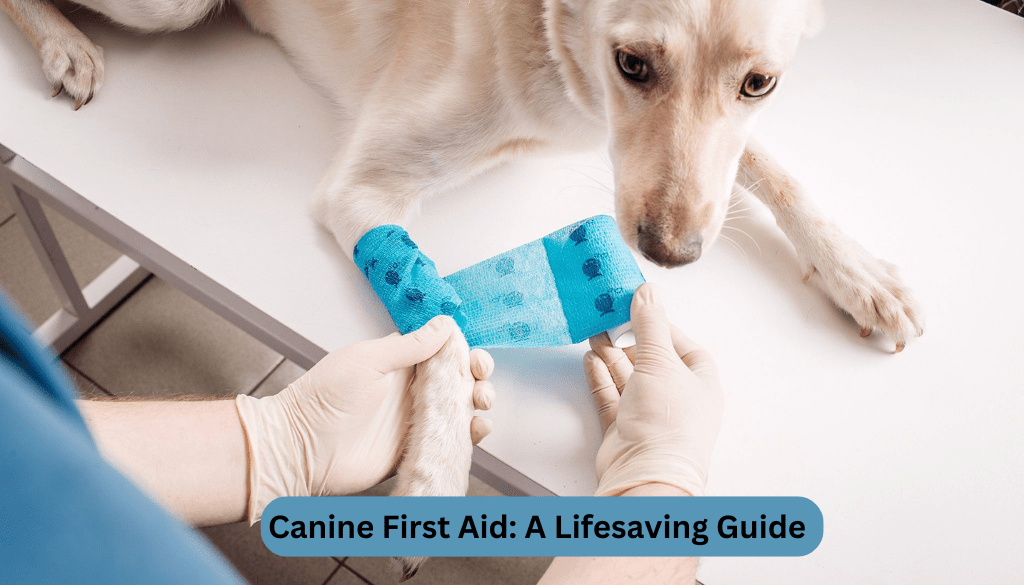
Did you know that one in three pets will face an emergency during their lifetime? Even if it’s a deep cut, poisoning, or heatstroke, quick action can save your dog’s life. So, a grasp of basic canine first aid can turn panic into purposeful care. Typically, dogs are naturally curious and active, which makes them prone to accidents. Beginning with swallowing harmful objects to getting injured during a walk, emergencies can happen at any time. As a dog owner, being prepared with the right knowledge and tools can make all the difference. Today’s guide will help you understand the basics of canine first aid so you can protect your furry friend when they need you most.
What is Canine First Aid and Why is it Important?
Canine first aid is the immediate care you provide to your dog in emergencies before professional help is available. It includes actions like stopping bleeding, managing choking, and stabilizing your pet until you can reach a veterinarian. These skills can prevent a minor issue from becoming life-threatening.
Dogs are unable to communicate their pain clearly, so it’s crucial to recognize symptoms and act quickly. Common emergencies include injuries from accidents, ingestion of toxic substances, and overheating. Knowing what to do in these moments can reduce your dog’s suffering and increase their chances of recovery.
Also, providing first aid helps you stay calm and in control during emergencies. It ensures that you respond effectively rather than making the situation worse through panic or inaction. Therefore, when you learn canine first aid, you become your dog’s first line of defense in critical situations.
A Canine First Aid Kit
A well-prepared first aid kit can save time during emergencies. Keep it organized and stocked with essentials to handle different situations.
- Bandages and Gauze: Include bandages and gauze to cover wounds and control bleeding.
- Antiseptic Wipes: Pack antiseptic wipes or solutions for cleaning cuts.
- Tweezers: Add tweezers for removing splinters or foreign objects.
- Scissors: Scissors help cut bandages or trim fur around wounds.
- Digital Thermometer: Include a digital thermometer to check for fever or hypothermia.
- Hydergon Peroxide: Add hydrogen peroxide for inducing vomiting, but only use it under veterinary guidance.
- Soft Wrap: Include a muzzle or soft wrap, as injured dogs may bite from pain.
- Emergency Contact Numbers: Finally, keep emergency contact numbers for your vet and poison control in the kit.
Store your kit in a sturdy, waterproof container. Label items for easy identification. Check supplies regularly and replace expired items. By keeping your kit ready, you can respond quickly during emergencies.
Common Canine Emergencies and How to Handle Them
Emergencies can happen at any time. Acting quickly can prevent a situation from worsening. Here are common emergencies and steps to handle them.
Wounds and Bleeding
Clean minor wounds with antiseptics and cover them with a bandage. Apply firm pressure to control heavy bleeding using a clean cloth or gauze. Do not remove soaked cloths; add more layers instead. Seek veterinary care for severe wounds.
Choking or Foreign Object Ingestion
If your dog chokes, check the mouth for visible objects and remove them carefully. For large blockages, perform gentle abdominal thrusts to clear the airway. Do not attempt this if unsure. Also, contact your vet immediately if the object cannot be removed.

Poisoning
Symptoms like vomiting, drooling, or seizures may indicate poisoning. So, call your vet or poison control for guidance. Do not induce vomiting unless instructed. Provide details about the substance your dog ingested.
Heatstroke
Move your dog to a cool area if they show signs of overheating, such as heavy panting or lethargy. Offer small amounts of water and cool their body with wet towels. Avoid using ice, as it can cause harm. Contact your vet promptly for further care.
Seizures
During a seizure, remove objects near your dog to prevent injury. Avoid touching them directly to prevent accidental bites. After the seizure, keep them calm and call your vet to assess their condition.
These steps help stabilize your dog during emergencies and provide critical support before reaching professional care.
When to Seek Veterinary Care
Some situations require immediate veterinary attention. Delaying care can worsen the condition or lead to severe complications.
Therefore, call your vet if your dog experiences difficulty breathing, prolonged seizures, or severe bleeding. Symptoms like extreme lethargy, unresponsiveness, or persistent vomiting with blood also require urgent attention. Sudden collapse or visible injuries, such as broken bones, are emergencies.
Describe the situation clearly when contacting your vet. Include symptoms, actions taken, and any potential causes. This information helps your vet prepare for treatment. If possible, call ahead before heading to the clinic to ensure prompt care.
Acting quickly and seeking professional help can save your dog’s life. Always prioritize safety and reach out to your vet if unsure about the severity of the situation.
Preventative Measures to Reduce Risks
Prevention is the best way to protect your dog from emergencies. Simple steps can reduce risks and keep your dog safe in daily life. Below are some pet care essentials:
Create a Safe Environment
- Remove harmful substances like cleaning products, medications, and toxic foods from accessible areas.
- Use secure storage for items that could harm your dog if ingested.
- Supervise your dog during outdoor activities to avoid accidents, such as stepping on sharp objects or getting near hot surfaces.
Schedule Regular Veterinary Check-Ups
- Visit your vet regularly to catch health issues early.
- Keep vaccinations up to date to protect your dog from preventable diseases.
- Discuss preventative care tailored to your dog’s needs. This includes parasite control and dental hygiene.
Maintain a Healthy Lifestyle
- Provide a balanced diet to support your dog’s overall health.
- Ensure access to clean water to keep your dog hydrated.
- Incorporate regular exercise to maintain a healthy weight and strong muscles.
Train and Socialize Your Dog
- Teach basic commands like “leave it” to prevent your dog from picking up harmful objects.
- Socialize your dog to reduce aggression and avoid injuries during interactions with other animals.
- Practice recall training to keep your dog safe during outdoor activities.
Conclusion
Canine first aid equips you to act quickly during emergencies. By preparing a first aid kit, learning essential skills, and understanding when to seek professional help, you can protect your dog in critical moments. Emergencies are stressful, but having the knowledge and tools to respond effectively can save your pet’s life.
Protect Your Dog’s Health Today!
At Doctor Pet Hospital in Rawalpindi Bahria Town, we support pet owners in providing the best care for their furry companions. Contact us for expert advice, training resources, or veterinary services. Take action today to ensure your dog’s safety and well-being.