

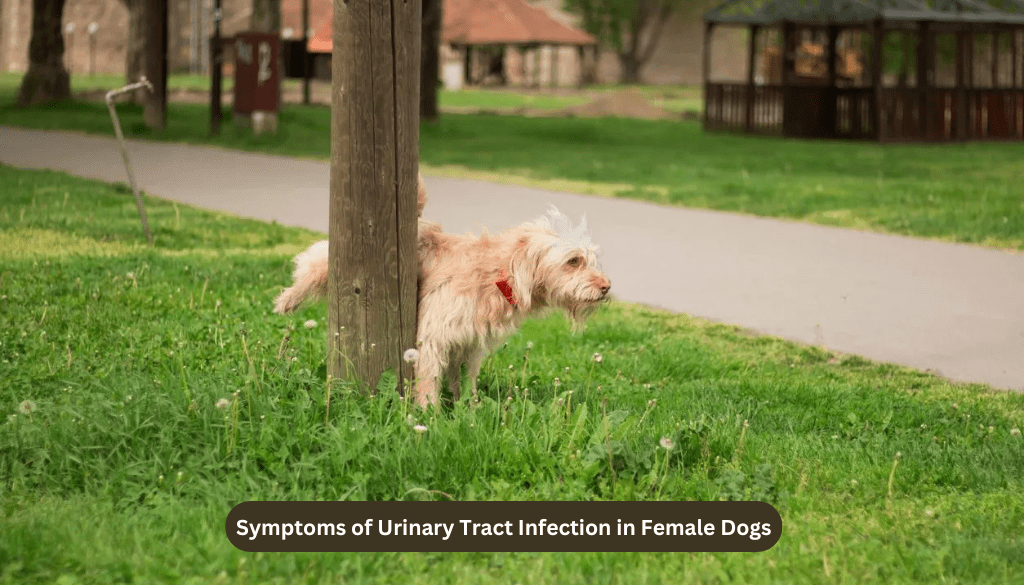
One of the common but often overlooked health concerns in female dogs is urinary tract infections (UTIs). Approximately 14% of all dogs undergo urinary tract infections in their lifespan. Therefore, it’s critical to understand to signs. Understanding the symptoms of urinary tract infection in female dogs can make all the difference in ensuring they receive timely care and enjoy a healthy, happy life.
Urinary tract infections can cause significant discomfort and, if untreated, may lead to serious complications. This blog will help you recognize the early signs of UTIs, explain what causes them, and guide you on how to keep your furry friend comfortable and safe. Let’s dive in and explore this essential aspect of pet health together.
What is an Urinary Tract Infection (UTI)?
Urinary tract infections in dogs occur when bacteria enter the urinary system, causing inflammation and irritation. Female dogs are particularly susceptible due to their shorter urethras, which provide bacteria with easier access to the bladder. While UTIs can affect dogs of all breeds, ages, and sizes, knowing the basics can help you protect your pet more effectively.
What Causes of UTI in Female Dogs?
The common causes of UTI in female dogs are:
- Bacterial Infections: The most common cause, typically resulting from bacteria like E. coli, entering the urinary tract.
- Bladder Stones: Crystals or stones can create irritation, leading to infections.
- Weak Immune System: Dogs with compromised immunity may struggle to fend off infections.
- Underlying Health Conditions: Diabetes, obesity, or hormonal imbalances can increase the risk of UTIs.
Female dogs with UTIs may exhibit symptoms ranging from mild to more severe signs requiring urgent veterinary care. Early recognition and treatment are critical for preventing complications like kidney infections or chronic urinary issues.
Common Symptoms of Urinary Tract Infection in Female Dogs
Urinary tract infections in female dogs can cause discomfort and disrupt their daily routines. Being aware of the symptoms is essential for early detection and prompt treatment. Here are the common UTI signs to watch for:
Frequent Urination
If your dog is urinating more often than usual, it could indicate irritation or infection in the bladder. Frequent urination often points to the body’s effort to expel the infection.
Straining or Difficulty Urinating
Dogs with UTIs may struggle to urinate, showing signs of discomfort such as whining, whimpering, or appearing tense while trying to pee. This can signal pain or blockage in the urinary tract.
Accidents Inside the House
A house-trained dog having accidents indoors is often a red flag. UTIs can cause urgency or loss of bladder control, making it difficult for your pet to wait.
Cloudy or Bloody Urine
Visible changes in urine, such as cloudiness or the presence of blood, are clear indicators of a urinary problem. These symptoms should prompt an immediate visit to the veterinarian.
Strong Odor in Urine
Urine with a foul or unusually strong smell can indicate bacterial infection. Pay attention to any noticeable changes in odor.
Licking the Genital Area
Excessive grooming or licking of the genital area may indicate discomfort, itching, or pain caused by a UTI.
Lethargy and Behavioral Changes
UTIs can leave your dog feeling tired or irritable. If your once-energetic companion seems unusually sluggish or uninterested in activities, it might be a symptom of an underlying issue.
Loss of Appetite or Fever
In severe cases, a UTI can cause systemic symptoms like a reduced appetite or fever, signaling the infection has progressed. These symptoms require immediate veterinary attention.
By keeping an eye on symptoms of urinary tract infection in female dogs, you can take action early and ensure your dog gets the care they need.

Why You Should Not Ignore UTI Symptoms?
Ignoring the symptoms of urinary tract infection in female dogs can lead to serious health consequences. While the signs may initially seem mild or manageable, delaying treatment can allow the infection to worsen and cause long-term damage.
Potential Complications of Untreated UTIs
- Kidney Infections: Bacteria from the bladder can travel to the kidneys, leading to severe infections that are harder to treat.
- Bladder Damage: Chronic infections may weaken the bladder lining, resulting in recurring issues or difficulty urinating.
- Sepsis: In rare cases, untreated UTIs can cause bacteria to enter the bloodstream, leading to a life-threatening condition.
The Importance of Early Intervention
Early detection and treatment ensure faster recovery and less discomfort for your dog. Simple diagnostic tests performed by a veterinarian can quickly confirm the presence of a UTI, allowing for prompt treatment with antibiotics or other therapies.
Quality of Life Matters
UTIs can impact your dog’s daily life, from disrupting their bathroom habits to causing pain or fatigue. By addressing symptoms early, you help your dog maintain a happy and healthy lifestyle.
Recognizing and acting on the symptoms of a UTI both safeguard your pet’s health and strengthen your role as a compassionate and attentive caregiver. If you notice any of these signs, consult your veterinarian right away to ensure your dog gets back to their lively, tail-wagging self.
Preventing UTIs in Female Dogs
Preventing UTIs is always better than treating them. Simple lifestyle changes and preventive measures can significantly reduce the risk of infections:
- Regular Potty Breaks: Avoid forcing your dog to hold their urine for extended periods. Frequent bathroom breaks help flush bacteria from the urinary tract.
- Hydration is Key: Ensure your dog has access to fresh, clean water at all times. Staying hydrated helps maintain healthy urine flow and reduces the risk of infections.
- Good Hygiene Practices: Keep your dog’s genital area clean, especially after outdoor activities or grooming sessions. This reduces the chance of bacteria entering the urinary tract.
- High-Quality Diet: Feed your dog a balanced diet that supports urinary health. Ask your vet about supplements or specialized foods designed to promote a healthy bladder.
- Routine Veterinary Check-Ups: Regular check-ups with your veterinarian are essential for early detection of any underlying health issues. These visits allow you to catch potential problems before they escalate.
Implementing these preventive measures can keep your dog healthy and minimize the chances of UTIs affecting their quality of life.
Doctor Pet Hospital Cares for Your Dog’s Health
At Doctor Pet Hospital, we understand how important your pet’s health and happiness are to you. Our veterinary team is experienced in diagnosing and treating urinary tract infections in female dogs, ensuring your furry friend receives compassionate and expert care.
Services Include:
- Comprehensive diagnostic testing to identify the cause of UTIs.
- Tailored treatment plans, including antibiotics and pain management solutions.
- Preventive care programs to maintain long-term urinary health.
- Wellness packages designed to meet the specific needs of your pet.
The dedicated staff works closely with you to provide guidance on prevention, early detection, and ongoing care for your dog.
Conclusion
Recognizing the symptoms of urinary tract infection in female dogs is an essential step in safeguarding your pet’s health. UTIs are common, but with prompt attention and proper care, your dog can recover quickly and continue enjoying a happy life.
At Doctor Pet Hospital Islamabad, we are committed to supporting you and your furry friend every step of the way. From diagnosis to prevention, our team is here to make a difference in the lives of pets and their owners. Don’t hesitate to reach out to us for guidance or to schedule a check-up. Your dog’s health is our priority!