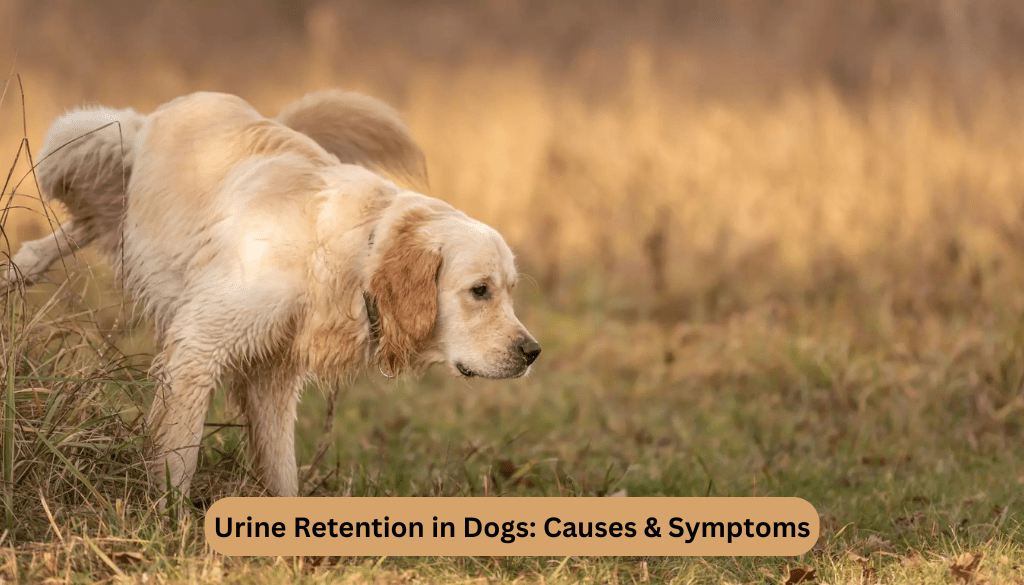
Urine retention in dogs is a condition that can affect your pet’s comfort and health. It occurs when your dog cannot pass urine properly or fully empty their bladder. This can cause pain and stress, and, if left untreated, lead to serious health problems.
As pet owners, it’s natural to worry when our furry companions show signs of discomfort. Knowing what causes urine retention and spotting the symptoms early can make a world of difference. At Doctor Pet Hospital Islamabad, we’re here to provide the care and expertise needed to keep your pet happy and healthy. In today’s blog, we’ll explore the common causes and symptoms of urine retention, helping you recognize when your dog needs help.
What is Urine Retention in Dogs?
Urine retention in dogs happens when they struggle to pass urine, or their bladder doesn’t empty. This might seem minor at first, but it can quickly become serious. A dog’s inability to urinate properly can lead to infections, bladder damage, or even kidney problems. If your dog expresses symptoms of urine retention, one ultimate outcome will be an inflated bladder. When this happens, several problems could arise consequently, like kidney issues or potential excessiveness later. Urine retention can stem from many underlying issues, ranging from infections to blockages or nerve problems. The knowledge of the cause can help you stay proactive and get your dog the care they need.
Common Causes of Urine Retention in Dogs
Urine retention in dogs can have several underlying causes. An awareness of these can help you identify the problem early and get your dog the care they need.
- Urinary Tract Infections (UTIs): UTIs are a common cause of urine retention. Bacteria can irritate the bladder and urethra, making it difficult or painful for your dog to urinate. Infections can also cause inflammation, further blocking the flow of urine.
- Bladder Stones or Urethral Obstructions: Bladder stones or other physical obstructions can block urine flow entirely or partially. Stones form from minerals that build up in the bladder, and they can cause intense discomfort. Male dogs are particularly prone to urethral obstructions due to their narrower urinary tract.
- Neurological Issues: Damage to nerves controlling the bladder can lead to retention. Conditions like intervertebral disc disease (IVDD) or spinal injuries can interrupt communication between the brain and bladder. This makes it hard for dogs to urinate.
- Prostate Problems in Male Dogs: In male dogs, an enlarged prostate can press against the urethra, restricting urine flow. This enlargement can be due to harmless prostatic hyperplasia, infections, or tumors.
- Side Effects of Medications or Surgery: Certain medications, like painkillers or sedatives, can temporarily interfere with a dog’s ability to urinate. Similarly, anesthesia from surgery might cause short-term retention.
- Other Underlying Conditions: Tumors, congenital abnormalities, or trauma can also affect your dog’s ability to urinate. These cases require immediate veterinary attention to pinpoint the cause and begin treatment.
What Are the Symptoms of Urine Retention?
Spotting the symptoms of urine retention early is crucial. Dogs can’t tell us when they’re uncomfortable, so it’s up to pet owners to notice the signs.
Physical Signs
- Straining during urination.
- Dribbling urine or making repeated attempts to urinate with little success.
- A swollen or firm abdomen, which may be painful to touch.
- Blood in the urine or an unusual color or smell.
Behavioral Changes
- Restlessness or pacing due to discomfort.
- Vocalizing pain, such as whining or whimpering, especially when trying to urinate.
- Loss of appetite and reduced energy levels.
Signs of Infection
- Fever or lethargy, which might indicate a urinary tract infection or a more severe problem.
- A foul odor from urine or the area around the genital region.
These symptoms can appear suddenly or develop over time. If you notice any of these signs, don’t wait. Contact your veterinarian immediately. Prompt action can prevent serious complications and keep your dog healthy and comfortable.

Why Prompt Diagnosis Matters?
Urine retention in dogs is more than just a temporary inconvenience; it can lead to severe complications if left untreated. When a dog cannot empty their bladder fully, bacteria can grow, causing infections that may spread to the kidneys. Over time, the bladder can become overstretched or even rupture, which is a life-threatening emergency.
In addition, chronic urine retention can damage the kidneys, leading to a condition called hydronephrosis, where urine backs up into the kidneys. This can impair kidney function and threaten your dog’s overall health. Identifying symptoms early and seeking veterinary care can make all the difference.
How Doctor Pet Hospital Can Help?
At Doctor Pet Hospital, we understand how distressing it can be to see your pet in discomfort. That’s why we offer a comprehensive range of diagnostic and treatment options for urine retention. Our skilled veterinary team is equipped to provide:
- Diagnostic Imaging: Tools like X-rays and ultrasounds help us identify bladder stones, obstructions, or other abnormalities.
- Laboratory Testing: Urinalysis and blood tests can detect infections or underlying health issues.
- Medical and Surgical Treatments: Depending on the cause, our pet doctor in Islamabad use medications to relieve infections or inflammation, or perform surgery to remove obstructions or correct abnormalities.
- Supportive Care: For pets recovering from surgery or dealing with chronic conditions, we provide personalized care plans to ensure a smooth recovery.
We are committed to offering compassionate, high-quality care to keep your furry friends healthy and happy.
Preventing Urine Retention in Dogs
While not all cases of urine retention are preventable, some steps tell how to keep pets safe from the risks:
Regular Veterinary Check-Ups
Routine exams can catch potential issues before they become serious. Early detection can prevent complications and ensure your dog’s overall health.
Balanced Diet and Proper Hydration
Provide your dog with a diet that supports urinary health. Encourage regular water intake to keep their urinary system functioning properly.
Monitor Urination Habits
Pay attention to your dog’s daily routines. Any changes in urination frequency, effort, or volume should be noted and discussed with your vet.
Post-Surgical Care
If your dog has had surgery, follow your vet’s recovery instructions closely. This will help minimize the risk of complications, including urine retention.
Conclusion
Urine retention in dogs is a serious condition that requires prompt attention. Understanding the causes and symptoms can help you recognize when your pet needs help. Early diagnosis and treatment can prevent severe complications and ensure your dog’s well-being.
At Doctor Pet Hospital Islamabad, we are here to provide expert care and guidance for you and your pet. If you notice any signs of urine retention or have concerns about your dog’s health, don’t hesitate to reach out. Together, we can make a difference in your pet’s life and keep their tail wagging for years to come.
Call us today or visit our website to schedule an appointment. Your pet deserves the best, and we’re here to deliver it!