

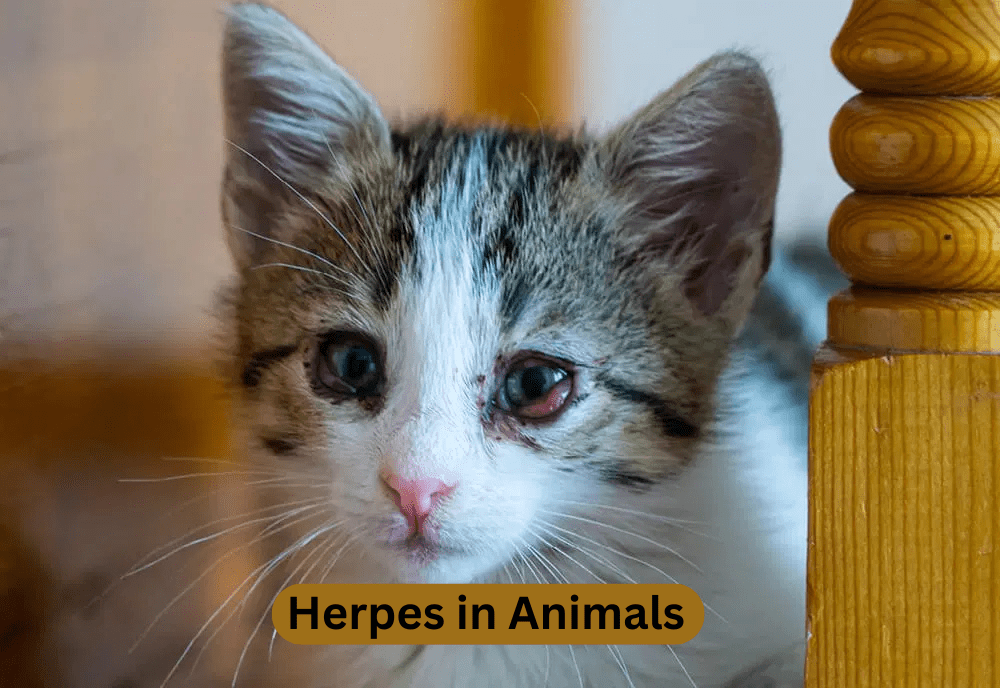
Herpes in animals can sound alarming, but understanding it is the first step to protecting your pets. Herpesviruses are common in many species, including dogs, cats, and horses. These viruses are usually species-specific, meaning they affect only one type of animal.
Most herpes infections are manageable with proper care. Knowing the symptoms and how the virus spreads can help you take action early. This blog will guide you through the essentials of herpes in animals. So you can keep your furry friends healthy and happy. Let’s explore the facts about herpes in animals and how you can provide the best care for your pets.
What Is Herpes in Animals?
Definition of Herpesviruses
Herpesviruses are a family of viruses that infect a wide range of animals. These viruses target specific species, adapting to the biology of their host. For example, canine herpesvirus (CHV-1) affects dogs, while feline herpesvirus (FHV-1) is found in cats.
Herpesviruses often remain asleep in the body after infection. They can reactivate during periods of stress or when the immune system is weak. This means the virus stays with the animal for life but doesn’t always cause symptoms.
Examples of Herpesviruses in Animals
Herpesviruses are found in many species. Here are some common examples:
- Dogs: Canine herpesvirus (CHV-1) can cause respiratory and reproductive issues.
- Cats: Feline herpesvirus (FHV-1) is a leading cause of upper respiratory infections.
- Horses: Equine herpesvirus (EHV) can pave the way to respiratory problems, neurological symptoms, or reproductive issues.
- Livestock: Herpes viruses in pigs, cattle, and chickens can impact animal health and productivity.
Can dogs get herpes? The answer is yes. Each virus has its unique symptoms and effects, but all share the ability to persist in the body after the initial infection. Knowing these viruses helps you take the right steps to care for your pet.
Symptoms of Herpes in Animals
General Symptoms
Herpes infections in animals can cause a wide range of symptoms. The signs often depend on the species and the part of the body affected. Some common herpes symptoms include:
- Respiratory issues, such as sneezing, coughing, or nasal discharge.
- Eye problems, like redness, discharge, or conjunctivitis.
- Reproductive issues, including infertility or miscarriage in pregnant animals.
- Lethargy and weakness, especially in young or stressed animals.
Herpesviruses can also remain sleeping in an animal’s body. When reactivated, they can cause recurring symptoms, particularly during times of stress or illness.
Species-Specific Symptoms
Each species shows unique symptoms of herpes infection:
- Dogs: Puppies infected with canine herpesvirus (CHV-1) may show signs of fading puppy syndrome. For instance, weakness, breathing difficulties, or bluish skin. In adult dogs, symptoms are often mild and may include sneezing or nasal discharge.
- Cats: Feline herpesvirus (FHV-1) causes upper respiratory infections. Symptoms include watery eyes, sneezing, nasal congestion, and ulcers on the tongue or gums.
- Horses: Equine herpesvirus (EHV) can cause fever, nasal discharge, and swollen lymph nodes. In severe cases, it may lead to neurological issues like difficulty walking or balancing.
- Livestock: In pigs, herpes can lead to respiratory problems or skin lesions, while cattle may experience fever and eye issues.
Recognizing these symptoms early allows you to seek veterinary care and minimize complications.
How Herpes Spreads in Animals
Transmission Methods
Herpesviruses are highly contagious and spread easily among animals. Common ways the virus spreads include:
- Direct Contact: Animals can catch the virus through close interactions, such as grooming, mating, or fighting.
- Bodily Fluids: Saliva, nasal discharge, and other bodily fluids can carry the virus. For example, puppies can contract CHV-1 from their mother during birth.
- Contaminated Surfaces: Bedding, food bowls, and shared equipment can harbor the virus, making it easy for multiple animals to get infected.
- Vertical Transmission: Pregnant animals can pass the virus to their offspring during pregnancy or delivery.

Risk Factors
Certain conditions increase the risk of herpes transmission:
- Crowded Environments: Animal shelters, breeding facilities, and farms are hotspots for viral spread due to close contact among animals.
- Stress: Stress weakens the immune system, making animals more susceptible to infection or reactivation of the virus.
- Age and Health: Puppies, kittens, and other young animals are at greater risk due to their immature immune systems. Similarly, older or sick animals are more vulnerable.
When you understand how herpes spreads, you can take steps to minimize exposure and protect your pets from infection. Early intervention and good hygiene practices are key to controlling the virus.
Preventing Herpes in Animals
Hygiene Practices
Good hygiene plays a crucial role in preventing the spread of herpesviruses. Steps you can take include:
- Keeping your pet’s living space clean and disinfected.
- Wash food and water bowls regularly.
- Avoiding shared bedding or toys between animals, especially in multi-pet households.
Isolating Infected Animals
If one of your pets shows symptoms of herpes, isolate them from other animals to prevent transmission. Use separate feeding and bedding areas until the animal recovers.
Stress Reduction
Stress can weaken an animal’s immune system and trigger herpes reactivation. Minimize stressors such as loud noises, sudden changes in routine, or overcrowded living conditions. Provide a calm, stable environment for your pet’s well-being.
Routine Veterinary Care
Regular check-ups with your veterinarian ensure early detection and prevention of herpes infections. A healthy diet, exercise, and timely vaccinations all contribute to a strong immune system, reducing the likelihood of infections.
The Role of Veterinary Care
Recognizing symptoms early and seeking veterinary care can make a significant difference in managing herpes infections. Timely treatment prevents complications and helps your pet recover faster.
At Pet Hospital Rawalpindi, we offer a wide range of veterinary services to diagnose, treat, and prevent herpes infections in animals. From vaccinations to advanced care for complicated cases, our team is here to support you.
Conclusion
Herpes infections in animals may seem overwhelming, but they are manageable with the right knowledge and care. By recognizing the symptoms, understanding how the virus spreads, and focusing on prevention, you can protect your pets and give them a healthy, happy life.
Vaccinations, good hygiene, and regular veterinary visits are the foundation of protecting your pet from herpes and other infections. For animals already affected, proper management ensures they can continue to thrive.
Take Action for Your Pet’s Health Today!
If you have concerns about herpes in animals or your pet’s health, reach out to Doctor Pet Hospital Islamabad. Our experienced team is here to guide you through every step of your pet’s care. Schedule an appointment today and give your pet the expert care they deserve!