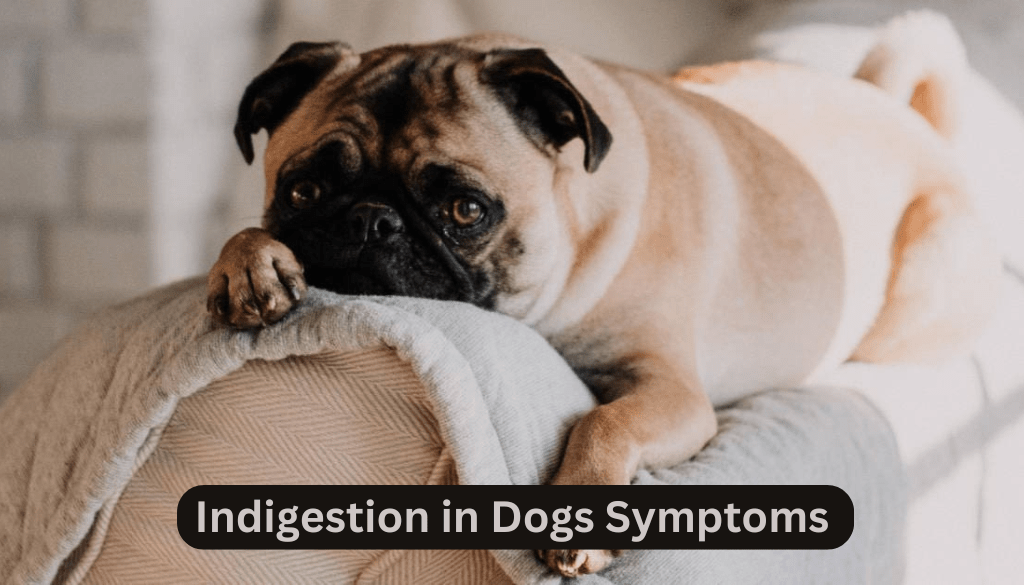
Indigestion in dogs is a common concern for many pet owners. So, understanding its signs can make a world of difference in ensuring your furry friend’s health and comfort. Just like us, dogs can experience occasional tummy troubles that may leave them feeling uncomfortable and less energetic. Recognizing the indigestion in dogs symptoms early can help you take the right steps to ease their discomfort and get them back to their playful, happy selves.
At Doctor Pet Hospital, we know that even the smallest health issues in pets can worry their owners, so we’re here to help. In today’s post, we’ll walk you through the symptoms of indigestion in dogs, its common causes, and simple ways you can help your pet feel better. Let’s dive in and learn how to spot indigestion and make life easier for both you and your dog.
What is Indigestion in Dogs?
Indigestion, also known as “dyspepsia”, refers to an upset stomach or digestive discomfort that can affect dogs of all ages and breeds. Unlike humans, dogs can’t tell us when their stomach is upset, so they show us through changes in behavior and physical symptoms. Some signs may be easy to notice, like vomiting or lack of appetite. However, others are more subtle, such as increased restlessness or gurgling sounds from their stomach.
Indigestion can make dogs uncomfortable and disrupt their usual routine. Although a bout of indigestion can often be mild and temporary. However, repeated or prolonged symptoms may point to an underlying issue needing attention. Staying alert to the signs can help you spot any changes quickly and ensure your pet stays healthy and happy. Keeping an eye out for these signs is the first step to addressing indigestion effectively and making your pet comfortable again.
Common Symptoms of Indigestion in Dogs
Indigestion in dogs can appear in various ways. Knowing the indigestion in dogs symptoms helps you recognize when your dog might need extra care. Here are the common signs to watch for:
- Vomiting and Nausea: Dogs often show signs of nausea by drooling, licking their lips, or repeatedly swallowing. If they vomit, it can signal an upset stomach or a digestive issue.
- Lack of Appetite: Dogs with indigestion may lose interest in food or refuse to eat altogether. A sudden drop in appetite usually indicates discomfort and should be addressed.
- Gas and Bloating: If your dog’s abdomen appears swollen or feels firm, it could be a sign of bloating. Gurgling noises or an uncomfortable reaction when touched around the belly also point to digestive trouble.
- Diarrhea or Loose Stools: Changes in stool consistency, especially if the stool becomes watery or loose, often accompany indigestion. This symptom is particularly important to monitor, as dehydration can follow.
- Lethargy or Restlessness: Digestive discomfort often makes dogs feel tired, and they may become less active than usual. Restlessness, on the other hand, shows discomfort as they may pace or shift positions frequently.
- Excessive Burping or Flatulence: Increased gas release, through burping or flatulence, suggests your dog’s digestive system is struggling to process something. Excessive gas is often linked to diet-related issues or mild digestive upset.
If you notice multiple signs or if symptoms persist, a vet visit is wise to ensure there’s no underlying health concern.
Possible Causes of Indigestion in Dogs
Several factors can cause indigestion in dogs. An awareness of these can help you make adjustments to prevent future issues and keep your dog’s digestive system healthy.
- Dietary Changes or Indiscretions: Dogs with sensitive stomachs may react to sudden diet changes. Overeating or consuming rich or spicy foods can also trigger indigestion, especially if they eat table scraps.
- Food Allergies or Intolerances: Some dogs are sensitive to specific ingredients, like grains or certain proteins. These allergies can lead to stomach upset and cause recurrent indigestion.
- Ingesting Foreign Objects: Dogs sometimes eat things they shouldn’t, from small toys to bits of garbage. These foreign objects can disrupt digestion, causing pain, vomiting, or constipation.
- Medical Conditions: Digestive issues can sometimes be a sign of underlying health conditions. For example, pancreatitis, gastritis, or gastrointestinal infections. These conditions often require a veterinarian’s care for effective management.
- Stress and Anxiety: Emotional factors can also impact your dog’s digestion. Dogs may experience stress or anxiety from changes in routine, new environments, or separation. This can lead to an upset stomach and other digestive symptoms.
A few small changes can go a long way in supporting your pet’s digestive health.

How to Prevent Indigestion in Dogs
Preventing indigestion is often about making small changes to your dog’s routine and diet. Here are pet care essentials to keep your dog’s digestive system running smoothly:
Maintain a Balanced Diet
Feed your dog high-quality, balanced food that suits their age, breed, and dietary needs. Avoid switching brands or types of food suddenly. If a change is needed, introduce the new food gradually to give your dog’s digestive system time to adjust.
Practice Portion Control
Overfeeding can lead to indigestion. Follow the recommended portion sizes for your dog’s weight and activity level. Smaller, frequent meals are sometimes easier on the stomach than one large meal.
Limit Table Scraps and Treats
Certain human foods, especially those that are rich, fatty, or spicy, can upset your dog’s stomach. Avoid giving table scraps, and instead opt for dog-specific treats in moderation.
Regular Vet Checkups
Routine checkups are the key for identifying any underlying health issues that may contribute to indigestion. Your vet can help monitor your dog’s overall health. It also provide guidance tailored to their digestive needs.
Manage Stress
Dogs can be sensitive to changes in their environment. Keep a stable routine for feeding and exercise to help reduce stress. Providing a calm, quiet place for your dog to relax also helps support their emotional and digestive health.
When to Consult a Veterinarian
While mild indigestion often resolves on its own, some symptoms require professional attention. Knowing when to consult your vet can make all the difference. Persistent vomiting or diarrhea lasting more than 24 hours, severe bloating, abdominal pain, or blood in vomit or stool should be taken seriously. Because they may indicate underlying issues like infections or inflammation. Repeated episodes of indigestion are also a sign that a deeper problem could be present, such as food allergies or infections. Doctor Pet Hospital Islamabad provides professional care for these concerns, so if you notice any of these symptoms, schedule a visit to keep your dog healthy and comfortable.
Conclusion
Indigestion in dogs may be common, but with the right knowledge and approach, you can help your pet overcome digestive discomfort and stay healthy. By recognizing the symptoms and making small changes to their diet and routine, you can prevent indigestion and keep your dog comfortable and content.
Take the First Step to a Happier, Healthier Pet!
At Doctor Pet Hospital Islamabad, we understand the importance of your dog’s health and well-being. Our team is here to provide the guidance and care needed to address any digestive issues and keep your furry friend in their best shape. If you ever notice persistent symptoms or need support with your dog’s health, reach out to us. Together, we can ensure your pet enjoys a happy, healthy life by your side.