
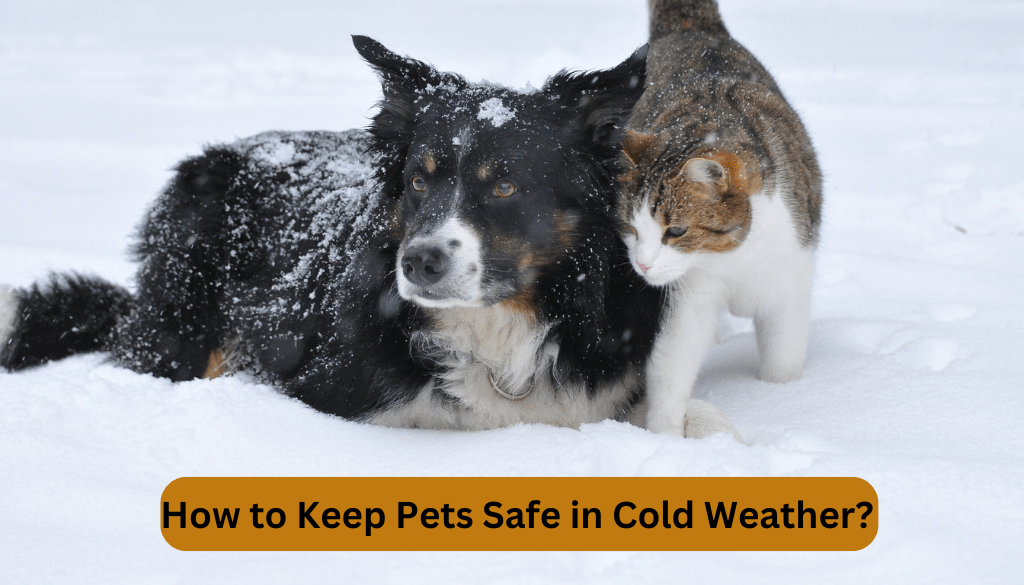
Though winter is the best season to cuddle with your furry companion and preserve each other warmth, wandering outside in the chilly temperatures can lead your pet to a range of possible dangers. While some pets thrive in cooler climates, others are far more sensitive to low temperatures, particularly small breeds, short-haired dogs, and senior animals. Keeping pets warm, healthy, and safe during winter doesn’t have to be complicated. With a few practical steps, pet owners can make a big difference in their pet’s comfort and well-being throughout the colder months. That said, before your thermometer drops down, learn these effective protection tips to keep pets safe in cold weather.
Know Your Pet’s Cold Tolerance
Each pet’s tolerance to cold is unique, depending on factors like breed, size, age, coat type, and overall health. While some dogs, such as Huskies and Malamutes, are naturally adapted to colder weather with thick, insulating coats. However, others—like Chihuahuas and Greyhounds—struggle to retain warmth due to their thin coats and small size.
In addition to breed and size, age plays a significant role in cold tolerance. Puppies and senior dogs are more vulnerable to low temperatures. Similarly, pets with medical conditions such as arthritis, can be aggravated by cold weather. Cold-sensitive pets may shiver, lift their paws frequently, or show signs of reluctance when going outside.
Knowing your pet’s specific tolerance helps you determine what precautions they need to stay comfortable.
Essential Winter Gear for Pets
The right winter gear can make all the difference in keeping your pet comfortable and safe in cold weather. Outfitting your pet with a few essentials can help protect pets from colder months, icy surfaces, and other winter elements.
Jackets and Sweaters
A warm jacket or sweater is a must for pets that are sensitive to the cold, especially those with short or thin coats. A good winter jacket should fit snugly but allow your pet to move freely, covering the chest and belly for full protection. Look for materials like fleece or wool blends, which provide insulation while remaining breathable. For regions with frequent snow or rain, a water-resistant outer layer can keep your pet dry during winter walks.
Paw Protection
Protecting your pet’s paws is crucial in winter. Icy surfaces, snow, and the salt or chemicals used to melt ice can irritate paw pads or even cause injury. Winter boots provide an effective barrier between your pet’s paws and the ground, offering protection and warmth. Boots with adjustable straps are ideal for a secure fit, helping them stay on during walks.
If your pet struggles to adjust to boots, consider using paw balm. A quality balm can create a protective layer on your pet’s paws, preventing cracking, irritation, and dryness. Apply the balm before and after walks to help maintain healthy paw pads, especially for pets regularly exposed to salted sidewalks or rough, icy surfaces.
Creating a Warm Indoor Environment
A cozy, warm indoor environment is necessary to keep pets safe in cold weather. With the right bedding and indoor activities, you can ensure your pet stays comfortable, active, and entertained. Even when it’s too cold to spend much time outside.
Warm and Cozy Bedding
Give your pet a warm, comfortable bed that keeps them off cold floors and away from drafts. Raised or insulated beds work well for retaining heat, while extra padding can provide support and warmth. This is especially for pets with joint pain or arthritis. Also, place their bed in a draft-free area or near a mild heat source (but safely away from direct heat) to create a cozy resting spot.
Indoor Play and Exercise
Keeping pets active is crucial during winter, as they may not get as much exercise outdoors. Indoor activities like fetch, hide-and-seek, or tug-of-war can keep your pet physically active and mentally stimulated. For pets who enjoy mental challenges, puzzle toys or treat-dispensing toys provide an excellent way to engage them indoors, preventing boredom and reducing the risk of destructive behavior.
Interactive playtime is especially important for high-energy pets, as it helps them burn off energy and stay engaged without needing extended outdoor time.

Remove Common Poisons
Winter introduces unique hazards for pets, particularly with certain chemicals and products used around the home. Keeping these potential poisons out of reach can help ensure your pet’s safety during the colder months.
Antifreeze
Antifreeze, commonly used in vehicles to prevent engine freezing, is highly toxic to pets. Its sweet smell and taste can attract dogs and cats, but even a small amount can be lethal if ingested. Be sure to store antifreeze in tightly sealed containers and clean up any spills immediately. Consider using pet-safe antifreeze products that contain propylene glycol instead of the more toxic ethylene glycol.
Ice Melt Products
Many ice melt products contain chemicals that can harm pets if they ingest or come into contact with them. When pets walk on treated surfaces, these chemicals can irritate their paw pads or cause stomach upset if licked off. To keep pets safe in cold weather, consider using pet-safe ice melt around your home and wiping your pet’s paws after walks to remove any potential residue.
Tips for Outdoor Time in Winter
While outdoor time is still important for pets, especially for exercise and mental stimulation, the winter season requires a few adjustments to keep them safe in cold conditions.
Limit Time Outside
In extremely cold weather, keep outdoor sessions brief, especially for pets with low cold tolerance. Instead of long walks, opt for shorter, more frequent outings. Watch for signs of cold distress, such as shivering, whining, or holding up their paws. For pets that enjoy playing in the snow, make sure they have breaks indoors to warm up and avoid prolonged exposure.
Stay Hydrated
Hydration is important, even in winter, as pets can easily become dehydrated. Dry winter air, combined with increased time indoors, can lead to reduced water intake. So, ensure fresh water is available at all times. Also, consider adding a bit of warm water to their bowl on colder days. For outdoor dogs, check their water bowl frequently to prevent freezing, as access to unfrozen water is vital in winter.
Recognize Signs of Cold-Related Health Issues
Keeping an eye on your pet for signs of cold-related health issues can help you take quick action. Also, it protects their well-being during winter. Knowing what to look for can prevent minor cold exposure from turning into a more serious problem.
Hypothermia
Hypothermia occurs when a pet’s body temperature drops to unsafe levels, leading to symptoms like shivering, lethargy, and weakness. Severe cases can cause confusion, shallow breathing, and even unconsciousness. Small breeds, senior pets, and animals with short coats are more susceptible to hypothermia, especially during prolonged exposure to the cold. If you notice any of these symptoms, it’s important to bring your pet indoors immediately and seek veterinary care if they don’t recover quickly.
Frostbite
Frostbite can affect areas with minimal fur coverage, such as paws, ears, and tails if pets are exposed to freezing temperatures for too long. Signs of frostbite include pale or bluish skin, cold extremities, and sensitivity to touch in affected areas. If you suspect frostbite, gently warm the area with a cloth or blanket, but avoid massaging or rubbing the area. This is because it could cause additional damage. Seek veterinary advice to ensure your pet’s recovery and comfort.
Conclusion
Protecting pets in cold weather requires a few thoughtful adjustments, from providing the right winter gear to ensuring a warm indoor environment. Understanding your pet’s needs and recognizing the signs of cold-related issues can help you keep pets safe in cold weather, ensuring healthy, and happy all winter long.
Keep Your Pet Cozy and Safe This Winter!
If you have questions about winter pet care or would like a seasonal health check-up, reach out to Doctor Pet Hospital. Our team of vet in Rawalpindi and Bahria town is here to provide expert advice and personalized care to help your pet enjoy winter safely. Schedule a consultation today, and let’s work together to make this winter a cozy, comfortable season for your furry friend!