

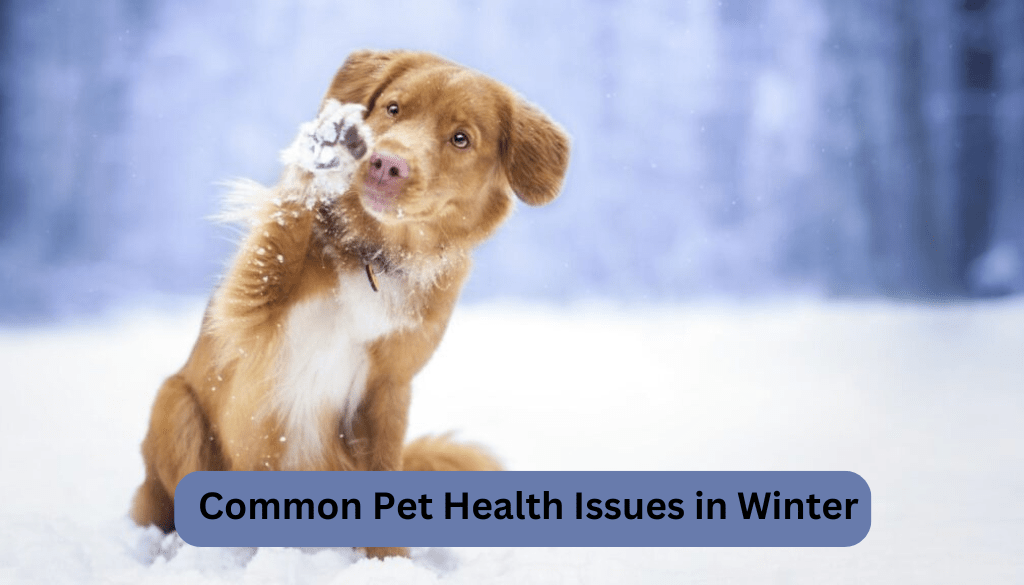
As temperatures drop and days grow shorter, winter brings a unique set of challenges for humans and our furry companions. Just like us, pets are susceptible to health issues during colder months, and many pet owners might not realize how the season affects their animals. From joint discomfort to respiratory problems, the cold weather can take a toll on your pet’s overall well-being. Awareness of these potential problems is key to ensuring your beloved furry friend remains healthy and happy through the winter. We understand you are eager to save your cats, and dogs from signs such as runny nose, coughing, and fever. However, colder months can also lead to dangers such as frostbite, hypothermia, and arthritis. For your pet’s security, we are going to discuss a few of the common pet health issues in winter with pet care tips to prevent them.
1. Cold-Related Health Issues
Beware of these common pet health issues in winter months.
Hypothermia
Hypothermia is one of the most dangerous winter health risks for pets, especially for those who spend time outdoors. When a pet’s body temperature drops to dangerously low levels, it can lead to hypothermia. A condition that affects their vital organs and can be life-threatening if not addressed quickly.
Small breeds, puppies, older pets, and those with thin coats are particularly vulnerable to this condition. Additionally, pets with diabetes or heart disorders are more vulnerable to hypothermia during winter.
Signs of Hypothermia
Early signs of hypothermia include shivering, lethargy, and weakness. As it progresses, pets may become unresponsive or reveal stiff muscles. It’s important to minimize outdoor time in extremely cold conditions and to monitor pets closely for any signs of distress. Even indoor pets can experience drops in body temperature if exposed to cold drafts or damp areas in the home.
Frostbite
Pets exposed to frigid temperatures for extended periods are also at risk for frostbite. Frostbite occurs when a pet’s extremities—such as ears, paws, or tail—are exposed to freezing temperatures. Consequently, ice crystals develop in ears, tails, nose, and paw tissues, leading to tissue damage.
Symptoms of Frostbite
The frostbite symptoms rely on up to the point it has gone. Frostbitten skin may appear pale or gray at first, and as it defrosts, it can become red, swollen, and painful. Paws are particularly vulnerable, as they come in direct contact with icy surfaces and snow. Additionally, the salt and chemicals used to melt ice on roads and sidewalks can cause further irritation to paw pads.
Ensuring your pet stays warm and limiting exposure to extreme cold is the best way to prevent frostbite. If you notice your pet is having frostbite signs, make sure you get them in instantly. In scenarios of serious frostbite take them to a pet doctor in Islamabad.
Kennel Cough
Kennel cough, a contagious respiratory illness, becomes more prevalent in winter as pets spend more time indoors or in close quarters with other animals. Dogs, in particular, are at higher risk if they frequent boarding facilities, grooming salons, or dog parks. These are the places where they may come into contact with infected animals.
Symptoms of Kennel Cough
Kennel cough is caused by a combination of bacteria and viruses. The symptoms of kennel cough are a dry, goose-like honking cough along with other signs like a runny nose, eye discharge, sneezing, and sometimes a fever.
Cold, dry winter air can make pets even more susceptible to respiratory issues, which can add to kennel cough symptoms. If your pet is coughing or showing signs of respiratory discomfort, it’s essential to minimize their exposure to other animals and seek a vet checkup to prevent it from spreading.
Accidental Poisoning
Winter brings specific risks for accidental poisoning, primarily from antifreeze and holiday plants.
What Causes Accidental Poisoning?
Antifreeze (ethylene glycol) is highly toxic to pets, and just a small amount can be fatal if ingested. It often leaks from cars or gets tracked into homes, where pets might accidentally lick it up. In addition to antifreeze, common winter plants and decorations—such as poinsettias, mistletoe, and certain holiday foods—can also be toxic to pets if ingested. Curious pets, especially dogs and cats, may pick at these items, leading to serious health complications.
Keeping hazardous substances and plants out of reach and cleaning up any chemical spills promptly can prevent accidental poisonings.
Chilled Paws and Skin Irritation
The combination of snow, ice, and harsh winter elements can be tough on a pet’s paws. Besides the risk of frostbite, the cold weather can lead to cracked, dry paw pads, causing discomfort and pain.
When pets walk on salted streets or icy sidewalks, their paws can become irritated, leading to redness, chapping, and even bleeding. This discomfort might make your pet reluctant to go outside, which could lead to additional problems such as behavioral changes or indoor accidents.
A simple walk outside can become uncomfortable for your pet if proper precautions aren’t taken. Wiping down their paws after outdoor trips and applying a pet-safe balm can help protect their feet from harsh conditions.

2. Respiratory Issues
Winter Allergies
Winter doesn’t just mean cold air—it also means closed windows, confined spaces, and a rise in indoor allergens. Many pets experience winter allergies as a result of spending more time indoors, where allergens like dust mites, mold, and pet dander are more concentrated.
Symptoms of Winter Allergies
Pets with existing sensitivities to these allergens may develop symptoms such as sneezing, coughing, runny noses, or itchy skin. Indoor air can often be drier during the winter months due to central heating. This irritates a pet’s nasal passages and worsens respiratory conditions. To minimize the impact of winter allergies, it’s important to keep your home clean, regularly vacuum pet bedding, and ensure proper ventilation.
While many people associate allergies with springtime, indoor allergens can significantly impact a pet’s comfort during the colder months. Pay attention to any changes in your pet’s behavior, such as excessive sneezing or coughing, as these could be signs that winter allergens are affecting their health.
3. Joint and Mobility Issues
Arthritis and Joint Pain
Another common pet health issue in winter is arthritis, particularly in aged pets or those with existing joint conditions. Just like humans, pets with arthritis may experience increased stiffness, discomfort, and difficulty moving when temperatures drop. The cold can cause joints to become stiffer, making it harder for pets to get up, move around, or enjoy their regular activities.
Which Pets More Vulnerable to Joint Issues?
Pets with hip dysplasia or other mobility issues are also more likely to experience pain during winter. Breeds prone to joint problems, such as large dogs like Labradors, Golden Retrievers, and German Shepherds, can have a particularly difficult time. Even smaller pets can feel the effects of colder temperatures on their joints, and the decrease in activity. This often accompanies winter only worsens the problem.
Owners may notice that their pets are slower to rise, limp after resting, or hesitate to go for walks. If you observe any of these signs, turn your pet to a vet in Rawalpindi and Bahria Town for a complete examination. Short, frequent walks may be easier on your pet’s joints than longer outings in the cold. Furthermore, ensure they stay warm indoors with soft bedding to help alleviate discomfort.
4. Skin and Coat Problems
Dry Skin and Dandruff
Winter air can be tough on a pet’s skin, especially when it’s both cold outside and dry indoors. Central heating often lowers humidity levels in the home, which can leave pets with dry, itchy skin.
Just as humans experience dry skin during winter, pets can develop dandruff, flakiness, and irritation due to the lack of moisture in the air. This dryness can be uncomfortable for pets and may lead them to scratch more frequently, which can worsen irritation and even lead to sores or infections if left unchecked.
Some pets are more susceptible to winter dryness, particularly those with shorter coats or sensitive skin. Breeds with less natural oil in their skin and coat may experience heightened discomfort. Signs to look out for include excessive scratching, visible flakes of skin on their fur, or a general lackluster appearance in their coat.
Pro Tip: A humidifier can help add moisture back into the air, making it more comfortable for both pets and people in the home.
Conclusion
Winter brings a range of unique health challenges for pets, from cold-related issues like hypothermia and frostbite to indoor risks like dry skin, respiratory problems, and even parasite threats. Recognizing and addressing these common pet health issues in winter helps pet owners ensure their furry friends remain comfortable, healthy, and happy during the season. Staying proactive and mindful of these risks is crucial to supporting your pet’s well-being in the colder months.
Winter can be tough on our pets, but you don’t have to face it alone!
If you have questions or concerns about common pet health issues in winter, don’t hesitate to reach out to Doctor Pet Hospital. Our team is here to help you and your pet navigate the season with confidence and peace of mind. Schedule a winter health check-up or consultation today, and let us work together to keep your pet healthy and safe all winter long!